
Nigeria and Morocco are poised to formalise a $25 billion intergovernmental agreement for the construction of a massive trans-African gas pipeline, marking a significant milestone in one of the continent’s most ambitious energy projects.
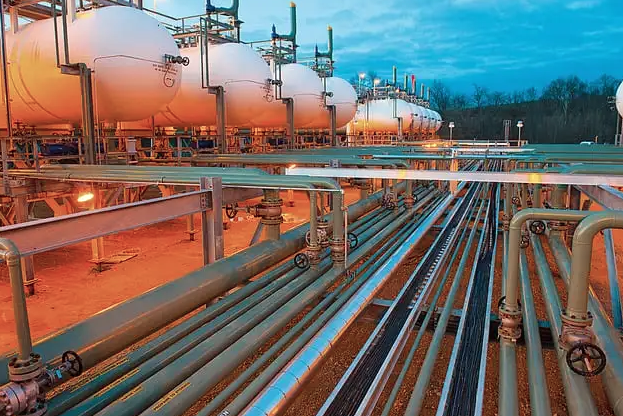
The planned Nigeria–Morocco Gas Pipeline is designed to transport natural gas from Nigeria along the West African coastline to Morocco, with potential extensions into European markets positioning it as a strategic energy corridor linking Africa to global supply chains.
Spanning over 5,600 to 6,000 kilometres and crossing more than a dozen African countries, the pipeline is expected to supply gas to as many as 400 million people while boosting electricity generation and industrial growth across participating nations.
Strategic Economic and Energy Impact
The project, first conceived in 2016, has evolved into a cornerstone of Africa’s long-term energy strategy, aimed at enhancing regional integration and monetising Nigeria’s vast gas reserves.
With an estimated capacity of up to 30 billion cubic metres annually, the pipeline is expected to significantly improve energy access across West Africa while offering an alternative gas supply route to Europe amid shifting global energy dynamics.
Regional Collaboration and Investment Drive
Multiple countries along the West African corridor have already signed memoranda of understanding supporting the project, reflecting broad regional backing and shared economic interests.
The upcoming intergovernmental agreement signals a transition from planning to execution, with stakeholders aiming to accelerate investment decisions and construction timelines.
Also Read: Independent National Electoral Commission (INEC) Says Joash Amupitan Has No Personal X Account
Outlook
Analysts view the pipeline as a transformative infrastructure initiative capable of reshaping Africa’s energy landscape, strengthening cross-border trade, and reducing energy poverty.
However, they caution that the scale and complexity of the project spanning numerous jurisdictions and regulatory frameworks mean that execution will require sustained political commitment, financing, and coordination over the coming years.
Stay informed and ahead of the curve! Follow The National Concord Blog Newsletter for real-time updates, breaking news, and exclusive content. Don't miss a headline – join now below!