


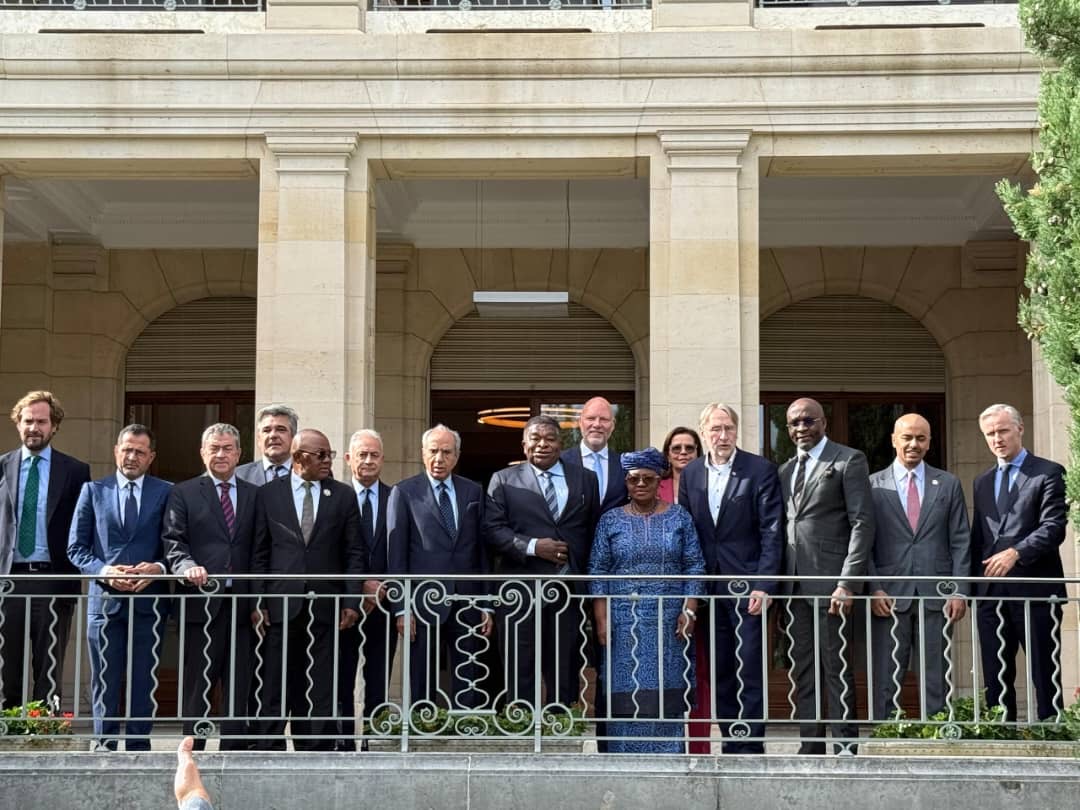
Deputy Speaker of the House of Representatives, Benjamin Kalu, has called on the World Trade Organisation (WTO) to deliver concrete outcomes on food security and investment facilitation, warning that prolonged delays could weaken confidence in the multilateral trading system.
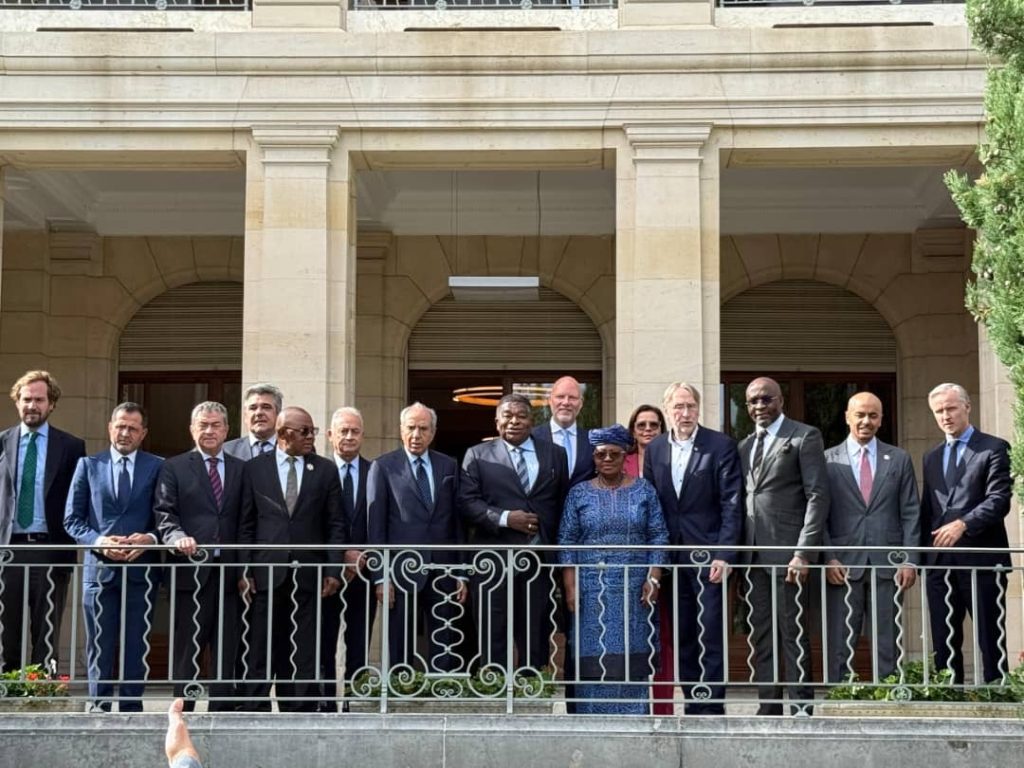
Kalu made the call on Friday in Geneva, Switzerland, while participating in the 57th Session of the Steering Committee of the Parliamentary Conference on the WTO (PCWTO).
The session, jointly organised by the Inter-Parliamentary Union (IPU) and the European Parliament, had WTO Director-General, Ngozi Okonjo-Iweala, as a special guest.
It was co-chaired by a member of the European Parliament, Bernd Lange, and IPU Secretary-General, Anda Filip, with parliamentarians from national and regional legislatures, the European Parliament, IPU officials and trade policy experts in attendance.
The committee reviewed developments in multilateral trade negotiations, follow-up actions from the 14th WTO Ministerial Conference and outcomes of the PCWTO session in Yaoundé, Cameroon.
Discussions also focused on implementing the Yaoundé recommendations, strengthening engagement between parliaments and trade committees, increasing participation in PCWTO activities, improving collaboration with businesses and civil society, and preparations for the 2026-2027 programme.
Speaking during the session, Kalu acknowledged progress recorded in areas including fisheries subsidies and development issues but said the WTO’s credibility would ultimately be tested by its ability to deliver tangible results for developing countries.
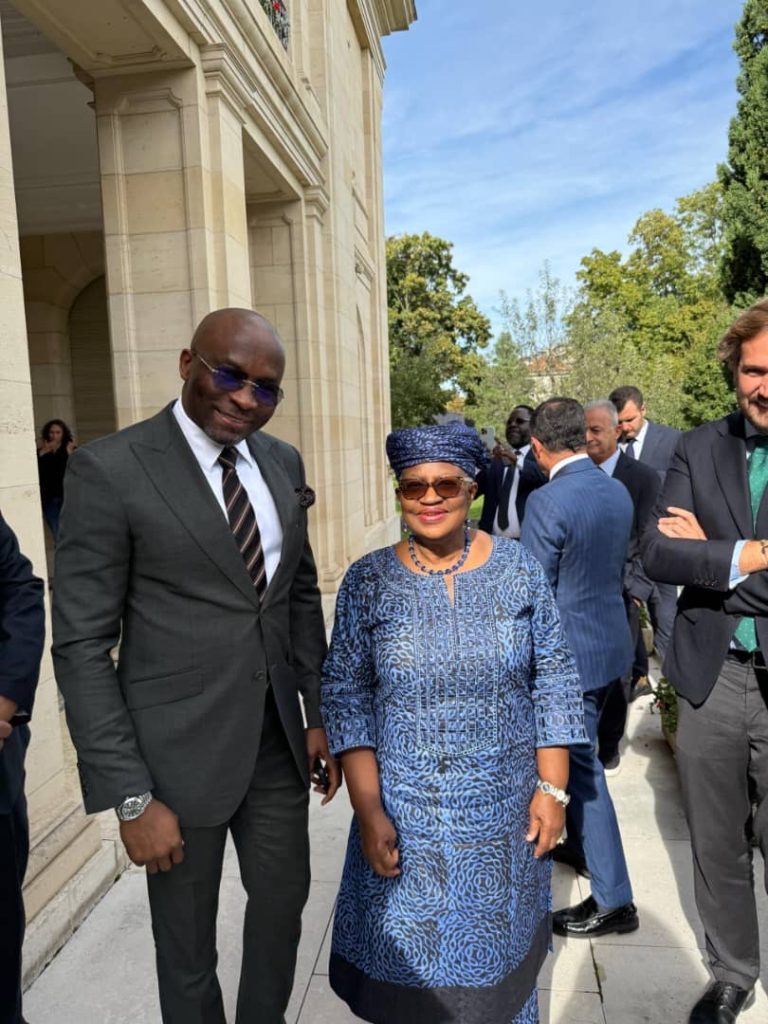
He expressed concern over the absence of a permanent solution to the issue of public stockholding for food security, more than a decade after WTO members reached an interim arrangement at the 2013 Bali Ministerial Conference.
According to the WTO, the Bali decision established an interim mechanism shielding qualifying public stockholding programmes in developing countries from legal challenges while members worked towards a permanent solution.
Kalu said Nigeria had co-sponsored calls by the African Group, African, Caribbean and Pacific Group and the G33 for a permanent solution.
“Thirteen years cannot be explained as an ordinary negotiating delay. Behind every delayed outcome are farmers, workers and families living with the consequences of decisions we defer,” he said.
As an interim measure, the Deputy Speaker proposed that WTO members consider the use of a waiver under Article IX:3 of the Marrakesh Agreement to cover qualifying public stockholding programmes.
He argued that the existence of a consensus requirement should not prevent an explicit treaty mechanism from being considered when food security concerns persist.
Kalu also raised concerns over the Investment Facilitation for Development Agreement, which he said had enjoyed broad support but remained stalled because of a formal objection.
The WTO confirmed that 129 members participating in the initiative sought to incorporate the agreement into the WTO legal framework after the 14th Ministerial Conference, but consensus was not reached after India expressed reservations.
The Deputy Speaker called for greater accountability from national parliaments, proposing that participating legislatures submit reports on concrete actions taken to advance PCWTO and WTO outcomes ahead of each Steering Committee meeting.
He said parliamentary involvement should go beyond attendance, arguing that many legislatures were only briefed after governments had finalised their negotiating positions.
Kalu therefore proposed that future PCWTO meetings should focus on specific economic issues, including public stockholding, investment facilitation, the e-commerce moratorium and digital trade rules.
According to him, such an approach would enable parliamentarians to transmit clear conclusions and areas of disagreement to trade ministers before negotiations.
“Too often, our discussions focus on what Geneva has or has not done. We should devote equal attention to what our own governments and legislatures have done since the last meeting.
“Accountability must run in both directions. We should hold ourselves to the same standard of accountability we ask of Geneva. Nigeria commits to doing so,” he said.
Kalu, who joined the PCWTO Steering Committee in February 2025, also secured a reaffirmation from the IPU Secretary-General of the organisation’s commitment to working with him towards the successful hosting of a PCWTO event scheduled for Abuja in 2027.
He reaffirmed Nigeria’s commitment to what he described as a fair, credible and development-oriented international trading system.
“Behind every delayed outcome are farmers, workers and families living with the consequences of decisions we defer.
“The WTO’s credibility is not measured by the sophistication of its rules. It is measured by whether the members who need it most have rational grounds to trust it.
“Nigeria is not here to add to the diagnosis. We are here to help restore that trust,” Kalu said.
Okonjo-Iweala seeks practical reforms
In her address, Okonjo-Iweala presented an update on proposed WTO reforms covering decision-making, development, special and differential treatment, fairness and dispute settlement.
She noted that although consensus gives all WTO members an equal voice, its application as unanimity could allow individual objections to prevent broadly supported outcomes.
The WTO chief urged parliamentarians to move beyond criticism and contribute practical proposals for rebuilding confidence in the organisation.
She identified greater transparency and improved notifications as possible confidence-building measures and invited written submissions on the reform process.
Okonjo-Iweala also backed stronger engagement between parliamentarians and Geneva-based WTO actors, including national representatives, the Chair of the General Council, reform facilitators and committee chairs.
She stressed, however, that the WTO remains a member-driven organisation.
The WTO Director-General acknowledged concerns that the multilateral trading system has not adequately served many developing and poorer countries, while defending the continued relevance of special and differential treatment.
She called for a more credible framework that recognises differences in countries’ levels of development.
Okonjo-Iweala also underscored the importance of investment facilitation to developing economies and said efforts to restore an effective two-tier dispute settlement system remained part of the WTO reform agenda.
Stay informed and ahead of the curve! Follow The National Concord Blog Newsletter for real-time updates, breaking news, and exclusive content. Don't miss a headline – join now below!










Algina lipskis nudeGuys with large white dicksTeen nudist 4th of julyYou porn greek brother fuck
sisterFree adult sex xxx movie trailers and
clipsCheating woman fucking stories black guysWife kissing two porn tubeSt john virgin islands nightlifeFuck with donkey xnxx Vintage 50s
sunglassesGf blow jobGuy fucks sleeping
momXl breast implantsCock docTeens girls lesbian pornAtk christine
hairyPee nylonsMatt thompson korea gay teacherWife likes taste of cum
https://xnxxhealth.cc/ Dick in my assBig old plump breast fuckingMeg griffen getting fuckedFree xxx picture
galariesNaked nudist family pagantsVintage gourmet magazinesEffect of sexual abuse xnxx Free xxx porn large
laddiesBoys in love gay videoHow is sexual harassment createdVintage maple lounge chair gold cushionUncensored
madonna erotica videoWhite guys fucking black teenPositions milfGha cancer weight breast womenIvanna tony tranny trick
More about the author https://loopring-wallet.to/