


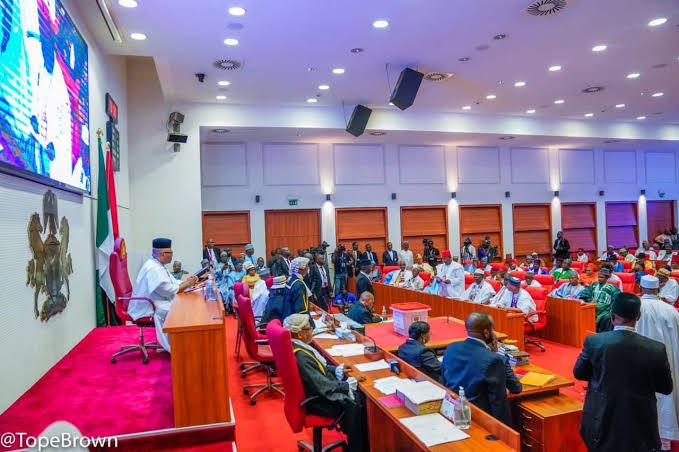
Nigeria’s Senate has scheduled an emergency plenary session as debates intensify over the controversial amendment to the Electoral Act relating to electronic transmission of election results. The emergency sitting, fixed for Tuesday, was announced by the Clerk of the Senate, Emmanuel Odo, following directives from Senate President Godswill Akpabio. The session is expected to address growing concerns from stakeholders and the public over the implications of the amendment ahead of the 2027 general elections.
The development follows the Senate’s earlier decision to remove a clause that sought to make real-time electronic transmission of election results mandatory. Instead, the upper legislative chamber retained provisions that allow the Independent National Electoral Commission (INEC) to determine how results are transmitted in line with existing laws. The removal of the clause sparked nationwide debates and criticism from civil society groups, opposition figures, and election observers who fear it may weaken transparency in the electoral process.
The Senate had initially adjourned plenary until February 24 after passing the amendment bill but reversed its decision following mounting pressure from various quarters. Reports indicate that the Senate leadership opted to reconvene lawmakers earlier than scheduled in response to widespread reactions and calls for clarity on the legislative position. The emergency session is expected to provide an opportunity for further deliberations on the controversial amendment.
READ ALSO: OKONKWO FAULTS AKPABIO, CALLS FOR SENATE PRESIDENT’S REMOVAL OVER ELECTORAL ACT CONTROVERSY
Senate President Akpabio has defended the chamber’s position, stating that lawmakers did not entirely reject electronic transmission of election results. According to him, the Senate only removed the phrase “real-time” from the provision, citing possible network failures and technological challenges in remote parts of the country. He explained that the decision was intended to give INEC flexibility in determining the most practical method of transmitting election outcomes.
Despite the Senate’s explanation, several advocacy groups and political stakeholders have criticised the amendment, arguing that failure to make electronic transmission compulsory could undermine electoral credibility. Some groups warned that leaving the decision solely to administrative guidelines rather than statutory provisions might create loopholes that could be exploited during elections. The controversy has also heightened public debate about electoral reforms and democratic accountability.
The emergency plenary is expected to revisit the amendment amid sustained public scrutiny and possible legal challenges from stakeholders seeking clearer safeguards for transparent elections. Analysts believe the outcome of the session could influence public trust in Nigeria’s electoral system and shape the framework for conducting future elections, particularly the high-stakes 2027 polls.
Stay informed and ahead of the curve! Follow The National Concord Blog Newsletter for real-time updates, breaking news, and exclusive content. Don't miss a headline – join now below!