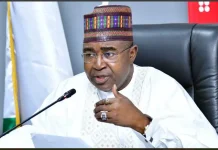



Nigeria’s Federal Ministry of Health and Social Welfare has revealed that only ₦36 million was released from the ₦218 billion appropriated for the sector’s 2025 capital budget, significantly hindering implementation of planned healthcare projects. The disclosure was made by the Minister of Health, Prof. Muhammad Ali Pate, during the ministry’s 2026 budget defence before the House Committee on Healthcare Services.
According to the minister, the poor performance of the capital budget was largely due to cash flow constraints and structural bottlenecks within the Federal Government’s budget execution process. He explained that despite the huge allocation approved by the National Assembly, actual disbursement remained extremely low, leaving many planned interventions unexecuted.
Prof. Pate noted that while the ministry’s personnel budget for 2025 was fully released and utilised, the capital component faced severe funding challenges. He attributed the shortfall to the bottom-up cash planning system operated by the Office of the Accountant-General of the Federation, which determines the pace and volume of fund releases to ministries and agencies.
The minister also highlighted delays in Nigeria’s counterpart contributions to donor-supported health programmes as another major setback. He stated that the inability to meet these financial obligations prevented the ministry from accessing some international donor funds, further affecting project execution and overall healthcare delivery.
Over the years, Nigeria’s health sector has struggled with similar funding challenges, leading to delays in the completion of hospitals, laboratories, primary healthcare revitalisation programmes and disease control initiatives. Budget and legislative oversight reports have consistently shown that capital allocations to the health sector are often not matched with actual cash releases, especially during periods of fiscal pressure and revenue shortfalls.
Prof. Pate stated that the ministry’s 2026 budget proposal was designed in line with national development frameworks, including the Medium-Term National Development Plan and the National Strategic Health Development Plan. He emphasised that the proposal prioritises Universal Health Coverage and aims to strengthen Nigeria’s healthcare system to ensure accessible, affordable and quality services for citizens, while lawmakers have requested detailed documentation on donor funds to enhance transparency and accountability.
Stay informed and ahead of the curve! Follow The National Concord Blog Newsletter for real-time updates, breaking news, and exclusive content. Don't miss a headline – join now below!