

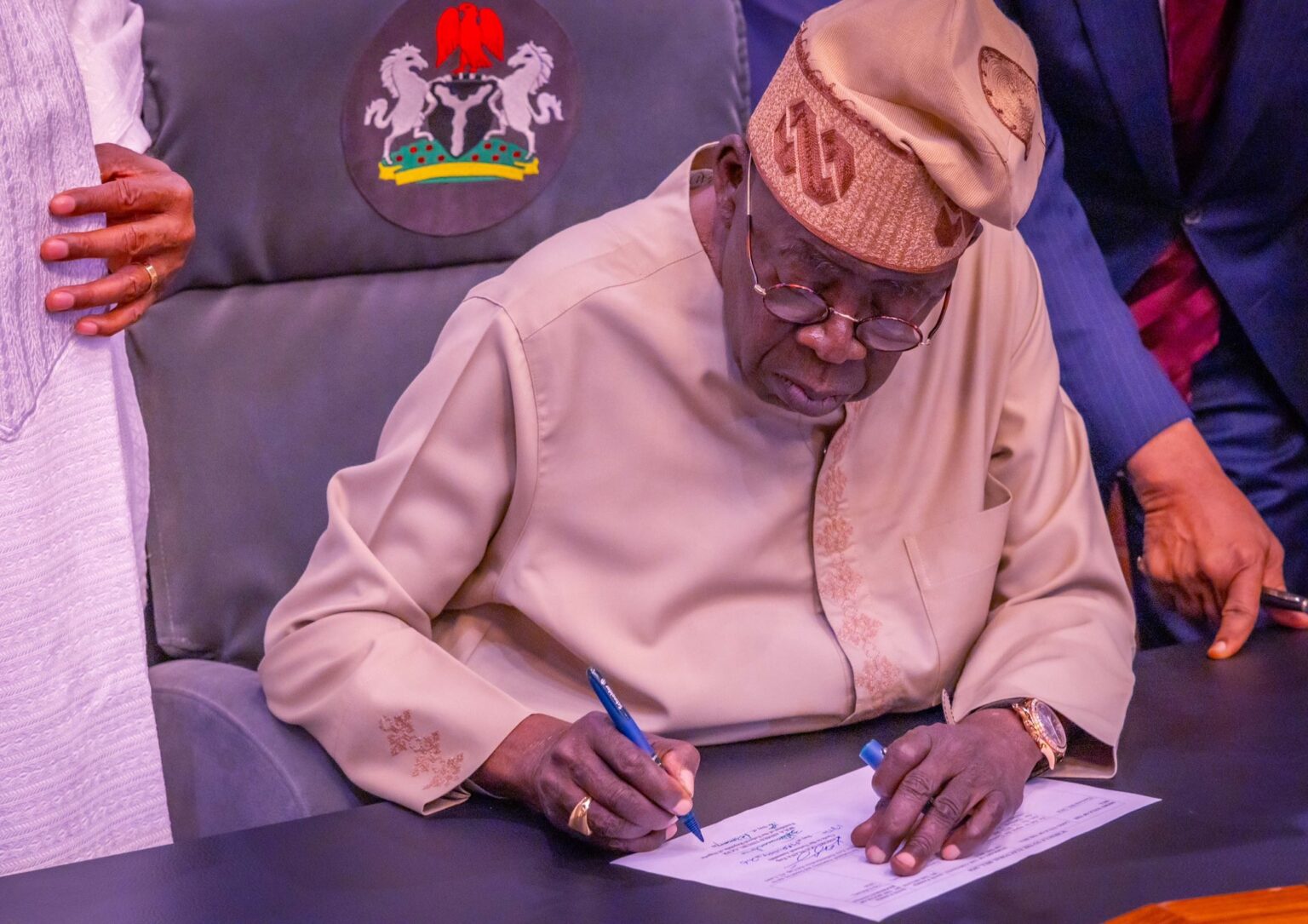
President Bola Ahmed Tinubu has signed the ₦68.32 trillion 2026 Appropriation Bill into law, setting the fiscal framework for the country’s spending plan for the year. The President also approved an extension of the 2025 budget implementation deadline from March 31 to June 30, 2026, to allow completion of ongoing projects.
Key Budget Breakdown
Details released by the Presidency show that the budget allocates:
- ₦4.799 trillion for statutory transfers
- ₦15.8 trillion for debt servicing
- ₦15.4 trillion for recurrent expenditure
- ₦32.2 trillion for capital projects
Capital expenditure accounts for about half of the total budget, reflecting the government’s focus on infrastructure, economic stability and national development.
Extension of 2025 Budget
The extension of the 2025 budget is aimed at ensuring full utilisation of previously approved funds, particularly for critical infrastructure projects already at advanced stages. Officials said the move would enable Ministries, Departments and Agencies to complete ongoing works, improve project delivery and maximise value for public spending.
The Presidency said the 2026 budget underscores its commitment to economic growth, job creation and improved living standards, while maintaining a balance between debt obligations and developmental spending.
Tinubu also directed government agencies to ensure transparency, discipline and efficiency in the use of public funds, with emphasis on value for money and timely execution of projects. The ₦68.32 trillion budget, the largest in Nigeria’s history, is expected to play a central role in driving infrastructure expansion and fiscal reforms, even as concerns remain over rising debt servicing and implementation efficiency.
Stay informed and ahead of the curve! Follow The National Concord Blog Newsletter for real-time updates, breaking news, and exclusive content. Don't miss a headline – join now below!