



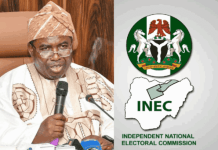
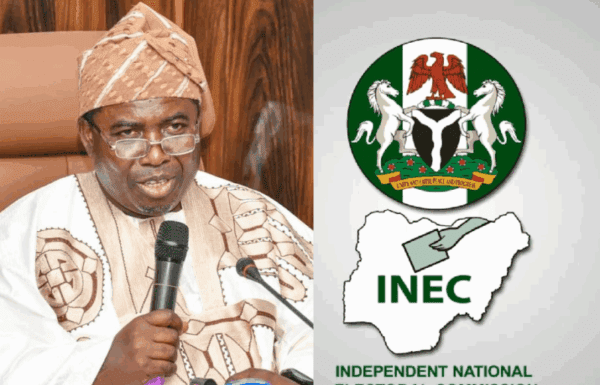
The Nigerian House of Representatives has taken steps to remove the Independent National Electoral Commission (INEC)’s authority to register and regulate political parties, sparking debates about electoral reform and institutional roles. A bill seeking to establish an independent body for these functions passed a second reading in the House on Thursday, co-sponsored by Speaker Tajudeen Abbas and Edo State lawmaker Marcus Onobun.
Key Proposals in the Bill
The legislation aims to create the Office of the Registrar of Political Parties, tasked with overseeing party registration, compliance with constitutional standards, and resolving internal disputes. Additionally, it proposes a Political Parties Disputes Tribunal to adjudicate conflicts between parties, members, or coalition partners. The bill also outlines penalties for violations by parties or individuals to ensure accountability.
Rationale for the Change
During the presentation of the bill, Onobun argued that INEC’s dual role in managing elections and regulating parties has become unsustainable, given Nigeria’s population and the complexity of electoral processes. He emphasized the need for “a surgical operation” to address public distrust in the system, stating:
“INEC is overwhelmed with registering parties, regulating their activities, and conducting elections. Separating these functions will enhance transparency and allow INEC to focus on its core mandate.”
The bill’s sponsors believe an independent authority would reduce election irregularities and improve governance by ensuring parties adhere to statutory requirements.
Next Steps
The proposed law has been referred to the Committees on Electoral Matters and Political Party Matters for further review. If passed, it would amend the Electoral Act 2022, removing party regulation from INEC’s responsibilities.
INEC
Implications
Critics question whether fragmenting electoral oversight will strengthen democracy or lead to bureaucratic inefficiencies. Proponents, however, view it as a necessary step to depoliticize party management and restore public confidence in Nigeria’s electoral system.
This move comes amid ongoing debates about electoral integrity, with stakeholders urging reforms ahead of future elections.
Stay informed and ahead of the curve! Follow The National Concord Blog Newsletter for real-time updates, breaking news, and exclusive content. Don't miss a headline – join now below!











Thanks for sharing. I read many of your blog posts, cool, your blog is very good.
I don’t think the title of your article matches the content lol. Just kidding, mainly because I had some doubts after reading the article.