


There are few Nigerian cities that symbolize the historical and economic significance that Aba embodies. Aba had long ago proven itself to be a breeding ground for homegrown enterprise, ingenuity, and economic tenacity well before the advent of modern industrial hubs and entrepreneurial incubators became the latest policy fad. From the world-famous Ariaria International Market to the city’s extensive leatherworks, textile, and small-scale engineering sectors, Aba had long since earned its nickname as the “Japan of Africa” not through government largesse, but through the collective ingenuity and economic tenacity of its people.

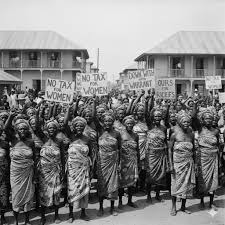
However, it is also important to remember that Aba has never been one to suffer in silence in the face of economic injustice. The city’s history is replete with examples of its refusal to be silenced in the face of what it perceives to be economic oppression. The Aba Women’s Riot of 1929 is one of the most pivotal examples of mass resistance against oppressive taxation and colonial administrative overreach in West African history. Similarly, labor uprisings such as the Enugu coal miners’ revolt are symbolic of the South-Eastern region’s collective resistance against systems of governance perceived to be exploitative and dismissive of indigenous economic dignity.
It is against this historical background that the current protest over electricity tariffs and arrears in the Aba Ring-Fenced power distribution area must be understood.
The Rising Burden of Electricity Costs
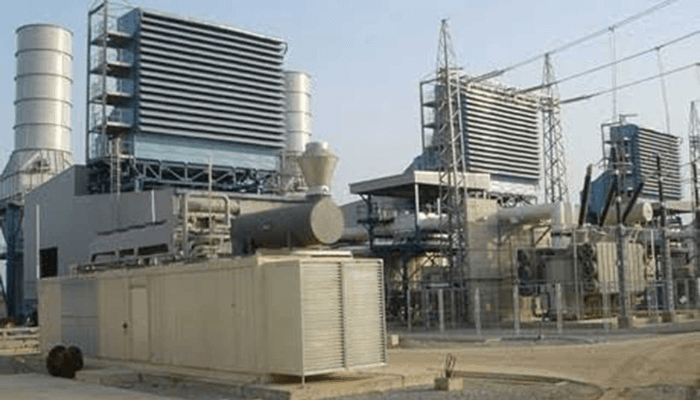
The Aba Integrated Power project, implemented through Aba Power Limited, was widely celebrated as a historic intervention aimed at providing specific electricity solutions for Nigeria’s most dynamic industrial hub. The project was laden with immense promise, not only as a major infrastructure achievement but also as a model for a decentralized electricity distribution system that would be capable of catalyzing industrial productivity.
However, recent events in the electricity tariff regime and the accumulated arrears of consumers have occasioned increasing public anxiety and agitation among the citizenry, traders, industries, and consumer organizations within the ring-fenced region.
Across the economic corridors of Aba, from Ariaria to Aba North and Aba South, there is a growing concern that the cost of electricity is gradually imposing an unsustainable financial burden on households and small-scale industries that constitute the economic backbone of the city. Businessmen are increasingly of the view that instead of being a catalyst for industrial development, the rising cost of electricity is undermining the already precarious profit margins and undermining the competitive manufacturing edge of Aba.
Perhaps even more contentious is the current controversy surrounding electricity arrears. Many consumers have expressed concern over the figures of backdated bills that are not well explained and, in some cases, appear to be inconsistent with actual consumption levels. The lack of clear explanation for the arrears has occasioned a high degree of consumer distrust, creating a volatile situation between the service providers and the citizenry.

A Legal Battle Reflecting Public Discontent
The level of consumer discontent was brought into sharp focus when the Aba Electricity Consumers Forum filed a lawsuit challenging the electricity billing regime. Although the suit was eventually struck out by the court on the grounds of jurisdictional constraints rather than any substantive review of the issues raised in the suit, the lawsuit has nonetheless highlighted the level of consumer discontent and the need for institutional engagement.
The striking out of the case on technical grounds did not in any way extinguish public concerns. Rather, it reinforced the perception of many consumers that their concerns are still not addressed through the existing regulatory framework and that there may be future legal battles or public protests if proactive engagement structures are not put in place.
Read also: Court stops Aba Power from Disconnecting Aba residents Amid Electricity Tariff Hike
Constitutional Reforms and New State Responsibilities
There have been recent constitutional reforms introduced by the Federal Government that have greatly impacted the electricity governance framework in Nigeria. The delisting of electricity from the Exclusive Legislative List to the Concurrent Legislative List has given states the powers to legislate, produce, transmit, and distribute electricity in their domains.
Consequently, Abia State has taken a commendable step by setting up the Abia State Electricity Regulatory Authority (ASERA), which is a specialized regulatory agency tasked with the responsibility of regulating electricity operations, consumer protection, tariffs, and coordination of the sector in Abia State.
The establishment of ASERA is a positive policy shift that gives Abia State a fresh and historic opportunity to improve electricity governance and find a balance between investor sustainability and consumer protection. However, regulatory agencies become relevant only when they are seen to be proactive, transparent, and responsive to emerging public concerns.
The Imperative for Strategic Government Interface
The Alex Otti-led administration in Abia State has received accolades for its reformist governance and infrastructural development projects in Abia State. However, the emerging conflicts over electricity tariffs and arrears in Aba pose a complex governance challenge that requires careful, strategic, and timely government intervention.
Aba has a unique socio-economic status within the state and the South-East region at large. The city’s citizens have shown a long history of organized resistance whenever economic policies are viewed as unjust, coercive, or insensitive to the welfare of the people. The history of the Aba Women’s Riot and subsequent labor resistance movements is a historical reminder that economic discontent in Aba often goes beyond mere commercial issues to become a social movement.

If left unchecked, the current situation regarding electricity billing structures could lead to a situation of widespread consumer resistance, legal battles, or industrial action that could easily derail Aba’s economic recovery process.
The Path Forward
The current situation requires not a confrontation but an enlightened form of governance that is transparent, fair, and inclusive. The Abia State Government, through ASERA, must immediately set the stage for a dialogue process that involves Aba Power Limited, consumer protection organizations, manufacturers’ associations, and community leadership structures.
A thorough review of tariff implementation, a transparent process of reconciliation of disputed arrears, and an accelerated consumer education program would help to rebuild public confidence in the electricity sector reform process. It is also important to set up a dispute resolution process that is accessible and able to address consumer complaints in a timely and fair manner.
Electricity sector reform is critical for economic transformation. However, the legitimacy of the reform process is maintained only when consumers feel that the process is fair and accountable.
Preserving Aba’s Economic Legacy
Aba has suffered decades of infrastructural decay but still remains a symbol of indigenous initiative and economic endurance. The city’s entrepreneurial culture has survived currency devaluations, import competition, and economic policy inconsistencies. It would be a historical tragedy if the electricity sector reform process, which is meant to empower industrialization, were to become the catalyst for economic woes.
It is, therefore, a moment in history that requires visionary collaboration between the government regulators, the electricity distribution companies, and the indomitable people of Aba. The implications of this go beyond the issues of the tariff rates, as it is about the survival of one of the most important indigenous economic environments in Nigeria.
History reminds us that the people of Aba have always stood up for their economic dignity. It is wisdom that calls for the policymakers to listen before history repeats itself.
Stay informed and ahead of the curve! Follow The National Concord Blog Newsletter for real-time updates, breaking news, and exclusive content. Don't miss a headline – join now below!