

There is a clear difference between a politician who comes home to campaign and a son who simply comes home.
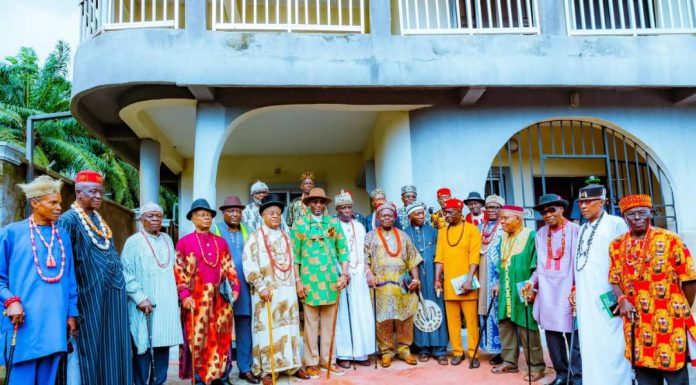
The campaign politician arrives with a convoy, a stage, and a carefully planned itinerary designed for cameras. The son who has come home eventually finds himself seated in a palace courtyard, receiving prayers from traditional rulers who have known his family for generations. That is the scene that has unfolded across Bende in recent weeks.
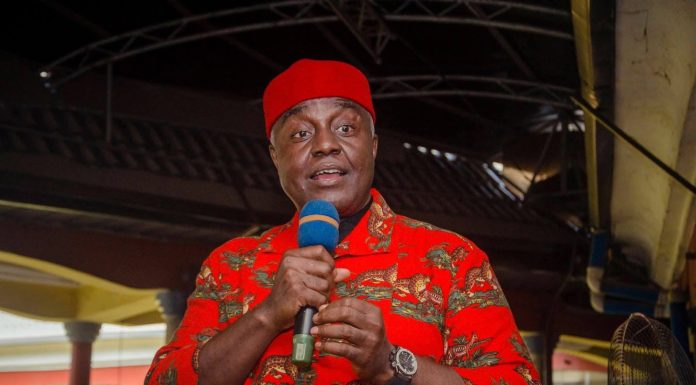
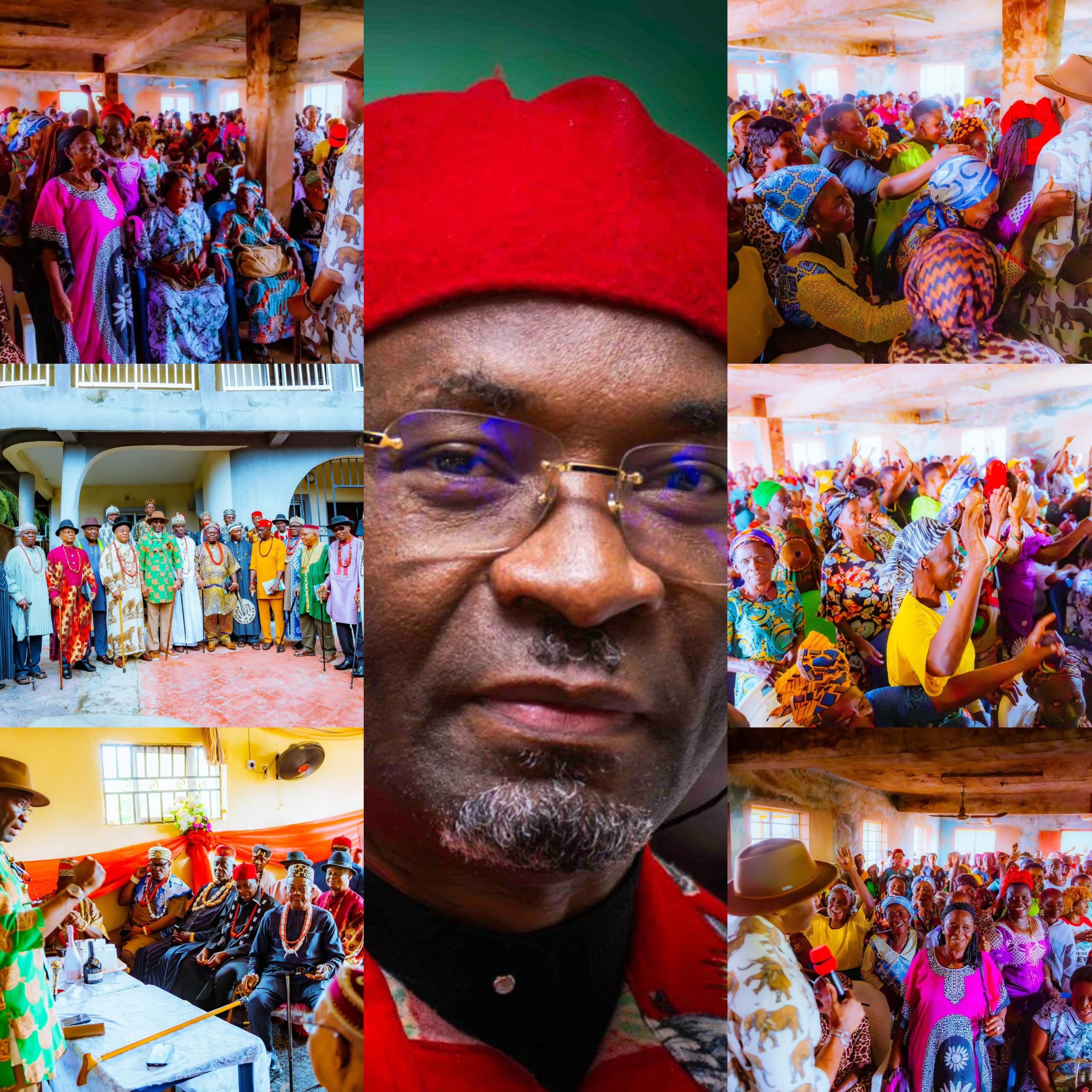
Although the 2027 campaign season has not officially begun, the ward-to-ward homecoming tour of Rt. Hon. Benjamin Okezie Kalu, Deputy Speaker of the House of Representatives, has once again demonstrated the depth of his grassroots acceptance. It was not a campaign tour in the conventional sense; rather, it was a homecoming that reaffirmed the strong bond between him and the people he represents.
When Kalu participated in the APC primary election in May, he did not merely edge out opponents or secure a narrow victory. He swept all thirteen wards of Bende Federal Constituency unopposed—Alayi, Bende, Ezeukwu, Igbere, Item, Itumbuzo, Nkpa, Ntalakwu, Ozuitem, Ugwueke, Umu-Imenyi, Umuhu-Ezechi, and Uzuakoli.
Such an outcome cannot simply be explained by political influence or financial resources. It reflects years of consistent engagement, accessibility, and a relationship carefully nurtured with the people. It is the reward for showing up long before election seasons and remaining connected to the grassroots.
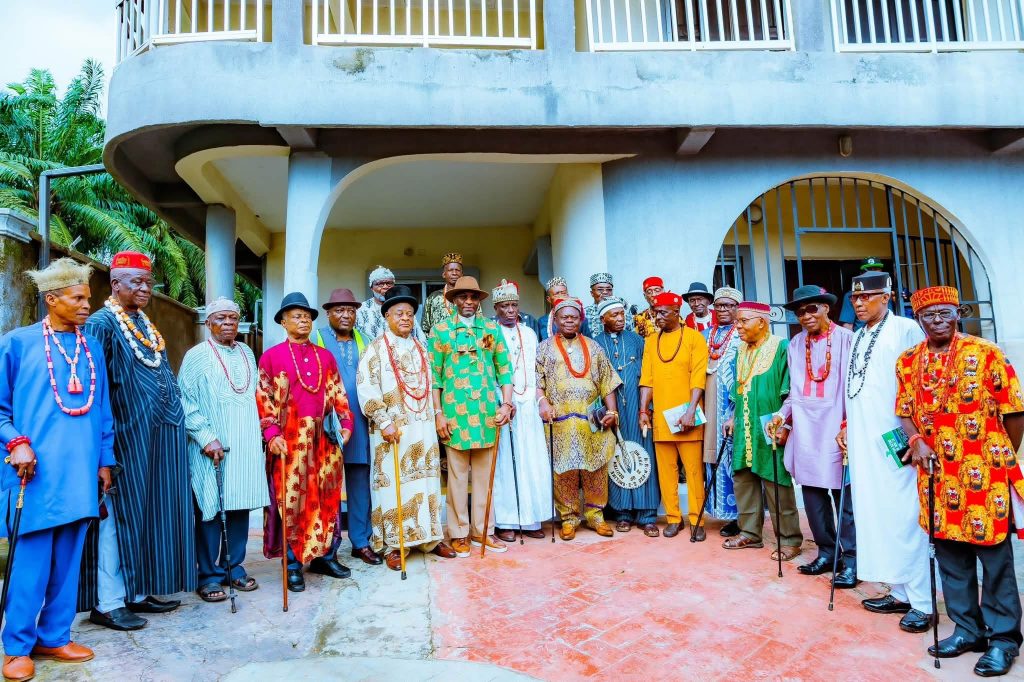
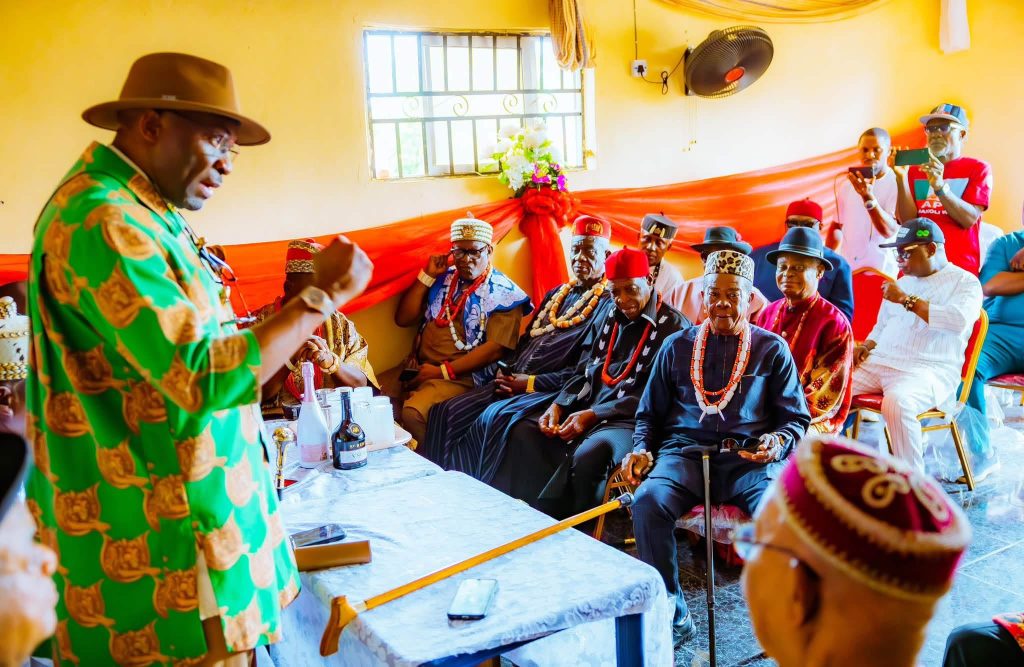
Within the last two weeks of July alone, Kalu met with the traditional rulers of Bende South State Constituency at the palace of Eze Uchendu Okorie in Uzuakoli. Days later, he was again welcomed by the Umunna Traditional Rulers Council, comprising royal fathers from Item, Alayi, Igbere, and Ezeukwu, alongside leaders of the Methodist Church.
These gatherings were markedly different from the familiar political rallies where crowds are transported from one location to another for optics. They were genuine community engagements involving respected custodians of tradition speaking freely about a representative they have watched rise from local government chairman to the Deputy Speaker of Nigeria’s House of Representatives.
When Eze Patrick Udeh declared that Benjamin Kalu has brought pride not only to Bende but to the entire Igbo nation, and when Eze Uchendu Okorie remarked that none of Bende’s previous representatives had matched his performance, those statements carried the weight of community conviction. They reflected the voices of people speaking about one of their own, not carefully scripted endorsements.
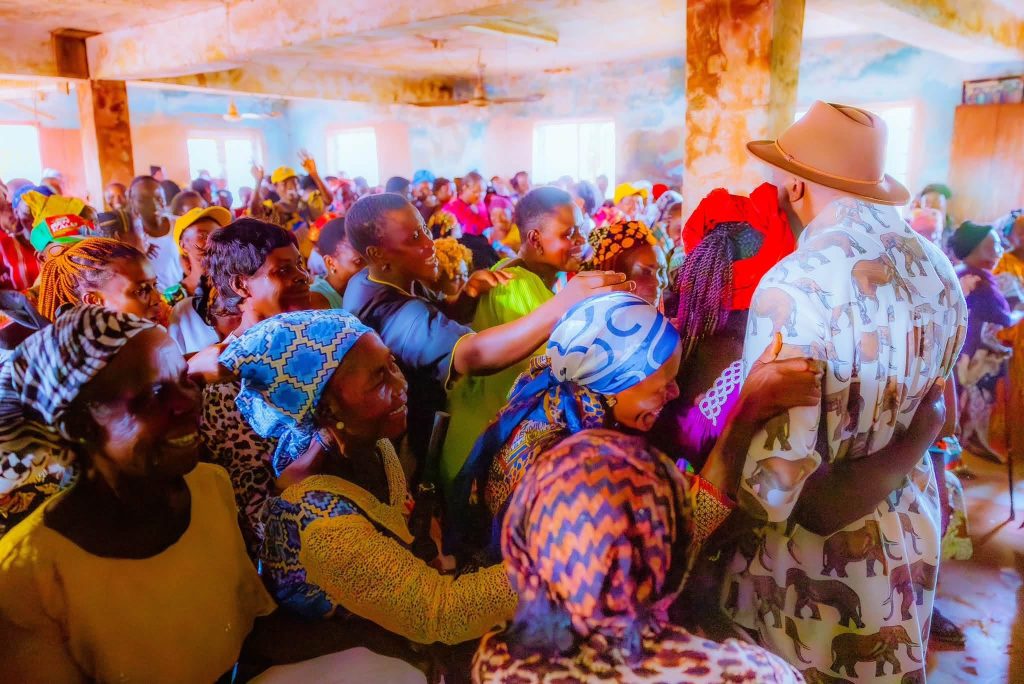
The reception accorded to Kalu throughout the ward visits further reinforced this reality. The traditional drumming, the colourful appearance of age-grade associations, and the spontaneous songs rendered by women groups before he even addressed the gatherings all reflected genuine enthusiasm. These are expressions of acceptance that cannot easily be manufactured within a few days of political mobilisation.
For many observers, the scenes illustrated a leader who, despite occupying one of the highest legislative offices in the country, has maintained close ties with his constituency and continues to enjoy widespread acceptance among his people.
It is equally noteworthy that much of the criticism surrounding Kalu’s political future appears to originate outside the mainstream sentiment within Bende itself. Public discourse has often focused on reported political disagreements with rivals and controversies surrounding endorsements. Yet, the repeated receptions witnessed across the constituency suggest that many residents remain firmly aligned with the Deputy Speaker.
Across the communities he visited, one recurring message stood out: many supporters openly reaffirmed their desire to see Benjamin Kalu continue representing Bende, rejecting narratives built solely around rotational arguments or entitlement politics.
In contemporary politics, it has become fashionable to dismiss every endorsement as purchased and every crowd as rented. While such scepticism may sometimes be justified, it does not explain the consistent pattern witnessed across Bende.
A representative who secures unanimous support across thirteen wards, receives blessings from multiple traditional institutions within weeks, and is welcomed by spontaneous community participation has not suddenly manufactured grassroots support. Rather, he is receiving in public the goodwill built over years of sustained engagement, accessibility, and representation.

That, perhaps, is the strongest political statement emerging from Bende today. It is the version of Benjamin Kalu that the people themselves continue to present to the rest of Nigeria.
Stay informed and ahead of the curve! Follow The National Concord Blog Newsletter for real-time updates, breaking news, and exclusive content. Don't miss a headline – join now below!