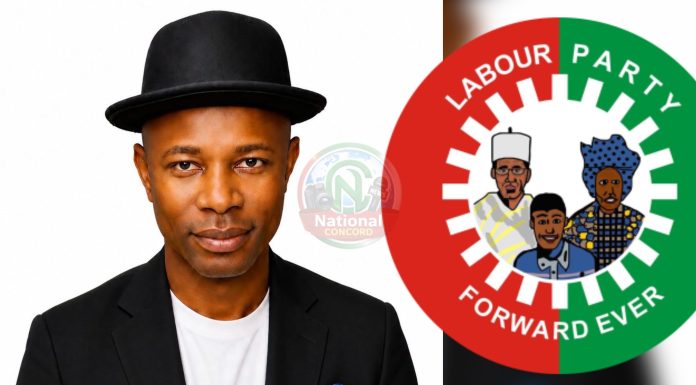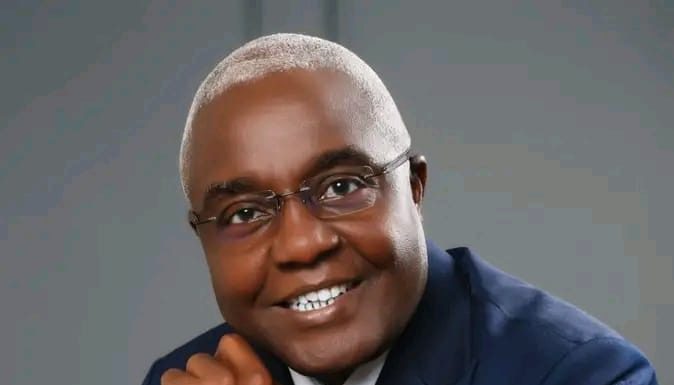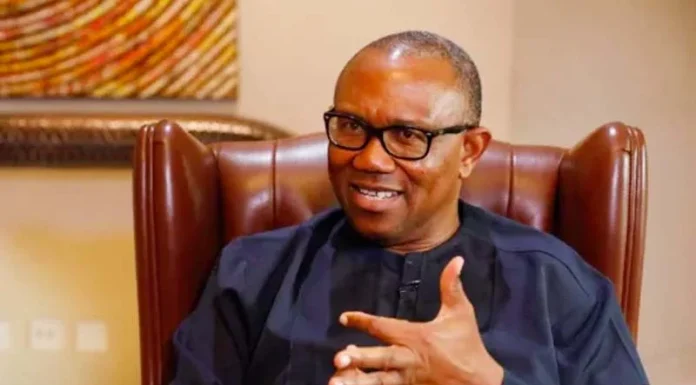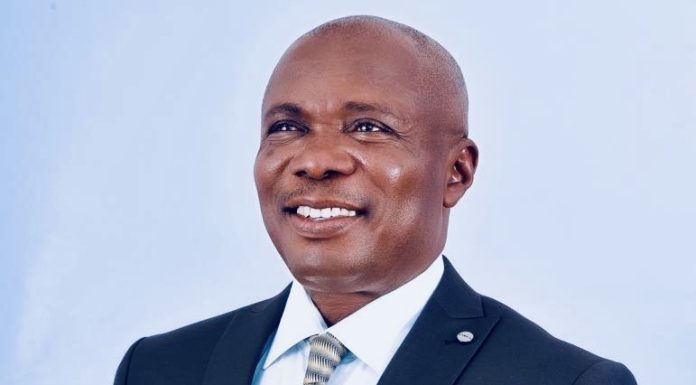


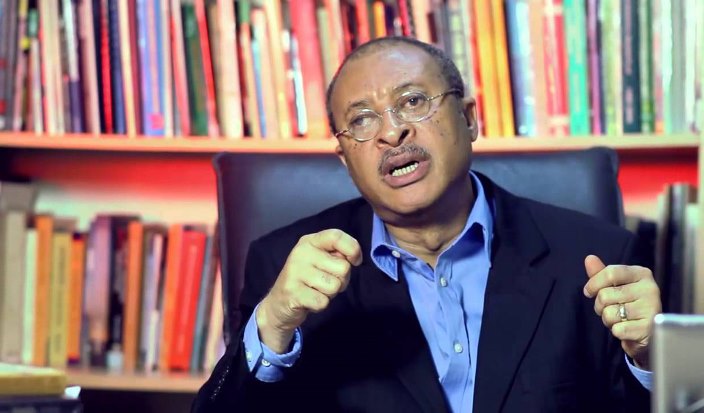
Renowned political economist and public affairs analyst, Professor Pat Utomi, has claimed that Nigeria’s current political and economic situation is worse than what the country experienced during the military regime of the late General Sani Abacha.
Utomi made the remarks while speaking during an interview, where he expressed concern over what he described as worsening governance, deepening economic hardship, and the weakening of democratic institutions under the current administration.
According to him, Nigerians are facing unprecedented levels of hardship despite living under a democratic government, arguing that many of the freedoms and expectations associated with democracy have failed to translate into improved living conditions for ordinary citizens.
He said it was difficult to justify policies that continue to place heavy burdens on citizens already struggling with rising inflation, unemployment, and the increasing cost of living.
Utomi also criticised what he described as excessive executive influence over state institutions, warning that continued erosion of institutional independence could undermine Nigeria’s democratic system and weaken public confidence in governance.
Drawing comparisons with the Abacha era, the former presidential candidate argued that although Nigeria was under military rule at the time, many of the governance challenges confronting the country today have become even more severe.
He maintained that democratic governance should deliver greater accountability, transparency, and respect for the rule of law, insisting that citizens deserve institutions capable of protecting their rights and improving their quality of life.
Utomi warned that persistent economic hardship, political intolerance, and institutional decline could further deepen public frustration if urgent reforms are not implemented.
He urged political leaders to focus on policies that promote inclusive economic growth, strengthen democratic institutions, and restore public trust in government.
The political economist also called on Nigerians to remain actively engaged in the democratic process, stressing that sustainable national development requires responsible leadership and active citizen participation.
His comments have generated reactions across political circles, with supporters describing them as an honest assessment of the country’s challenges, while critics argue that the comparison with the Abacha era is subjective and open to debate.
The remarks come amid continuing national conversations over governance, economic reforms, rising living costs, and the future of Nigeria’s democracy ahead of the 2027 general elections.
Stay informed and ahead of the curve! Follow The National Concord Blog Newsletter for real-time updates, breaking news, and exclusive content. Don't miss a headline – join now below!