


In a bold and timely move, the Abia Civil Society Network (ACSON) has sounded the alarm over the unlawful operations of Vehicle Inspection Officers (VIOs) across Abia State, calling on the government to enforce a landmark court ruling that bans their roadside activities.
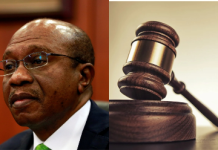
Despite visible infrastructure gains under Governor Alex Otti, ACSON says the continued harassment of motorists by VIO officials violates basic human rights and directly contravenes a Federal High Court judgment delivered on October 2, 2024. In that ruling, Justice Nkeonye Evelyn Maha declared that VIOs have no legal authority to stop vehicles, impound them, or issue fines on public roads. The judgment went further by issuing a perpetual injunction against such practices nationwide.
But in Abia, it’s business as usual.
“These roadblocks are not only illegal,” ACSON argues, “they amount to extortion, oppression, and a gross abuse of citizens’ freedom of movement.” The group references not only the Federal High Court decision but also previous judgments from the Court of Appeal in Asaba and the Enugu State High Court all of which reaffirm the limited role of VIOs.
For the record, VIOs are not roadside enforcers. Their legal duties include vehicle documentation, driver testing, and safety checks within licensing offices. Road enforcement lies strictly with the Federal Road Safety Corps (FRSC) and other recognized traffic bodies, according to the FRSC Act of 2007.
In light of this, ACSON is demanding swift action:
- Immediate withdrawal of all VIO personnel from road operations.
- Public enlightenment campaigns to inform drivers of their rights.
- Establishment of a compliance and complaint monitoring mechanism to report VIO abuses.
This isn’t just a legal issue it’s a democratic one. ACSON’s leadership emphasizes that the rule of law must prevail for any meaningful reform to take root in Abia.
“Governor Otti has an opportunity to lead by example,” said ACSON Convener Amaka Biachi, Esq. “We urge him to align the state’s practices with national judicial standards and protect the rights of road users across the state.”
With the eyes of the public now firmly fixed on this issue, the next move belongs to the Abia State Government.
Stay informed and ahead of the curve! Follow The National Concord Blog Newsletter for real-time updates, breaking news, and exclusive content. Don't miss a headline – join now below!