


The escalating conflict between Israel and Iran entered its fifth day on Tuesday, as both nations exchanged missile fire amidst rising international concern and fears of a full-scale regional war.
A new wave of Israeli airstrikes targeted key Iranian military infrastructure overnight, including a dramatic strike on Tehran’s state television headquarters. Iranian authorities confirmed that three people were killed in the attack, which marked one of the most high-profile Israeli hits since the conflict began last Friday.
The Israeli military announced it had carried out coordinated strikes on multiple sites in western Iran, destroying missile systems, drone facilities, and air defense launchers. Accompanying footage released by the Israeli Defence Forces showed explosions at suspected missile launch sites.
In retaliation, Iran launched a fresh barrage of rockets toward Israel early Tuesday, triggering air raid sirens in Jerusalem, Tel Aviv, and surrounding cities. Explosions echoed across the skies, with the Israeli army confirming several interceptions and warning residents to seek shelter temporarily.
Police in Tel Aviv reported shrapnel damage in parts of the city, though no casualties were recorded. Firefighters responded to a blaze in Herzliya believed to have been caused by falling debris from the Iranian rockets.
U.S. Responds, Trump Warns Tehran
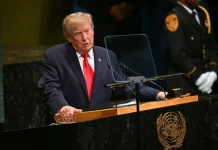
Amid the intensifying crossfire, former U.S. President Donald Trump abruptly departed the G7 Summit in Canada, issuing a sharp warning on social media: “Everyone should immediately evacuate Tehran!”
Trump, who has refused to clarify whether the U.S. supports Israel’s offensive, later dismissed reports that he left to broker a ceasefire. In a post on Truth Social, he wrote, “Wrong! [Macron] has no idea why I’m returning to Washington. Much bigger than that. Stay tuned!”
Meanwhile, U.S. Defense Secretary Pete Hegseth confirmed that the aircraft carrier USS Nimitz was redeployed to the region, scrapping a planned visit to Vietnam. The White House stated that American forces remain in a defensive posture amid the conflict.
Mounting Toll and Derailed Diplomacy
Iran’s Islamic Revolutionary Guard Corps (IRGC) vowed to continue retaliatory attacks “without interruption until dawn,” further complicating international calls for calm. Israeli Prime Minister Benjamin Netanyahu, in a televised address, said his country is “eliminating Iran’s security leadership one after the other.”
“We are changing the face of the Middle East,” Netanyahu declared, “and that could lead to major shifts inside Iran itself.”
The human toll continues to rise. Israeli officials reported 24 deaths and hundreds injured since the hostilities began. Iran claimed at least 224 fatalities, including top military commanders, nuclear scientists, and civilians, though no updated figure has been provided since Sunday.
Amid the violence, a missile strike reportedly damaged a building linked to the U.S. embassy in Tel Aviv. The State Department has since issued a travel advisory warning Americans to avoid travel to Israel.
Global Reaction and Diplomatic Deadlock
Leaders at the G7 summit, including Trump, called for “immediate de-escalation” and stressed Israel’s right to self-defense. The joint communiqué also underscored that “Iran must never acquire a nuclear weapon.”
China urged both countries to “take immediate steps to cool tensions” to prevent further destabilization in the Middle East.
Efforts to resume stalled nuclear talks have collapsed. Iran’s Foreign Minister Abbas Araghchi stated that “as long as military aggression continues, so will our response.”
A U.S. official told AFP that Trump personally intervened to stop Israel from executing a reported assassination plan targeting Iran’s Supreme Leader Ayatollah Ali Khamenei. When asked about the claim, Netanyahu neither confirmed nor denied it, stating: “It’s not about escalation,it’s about ending the conflict.”
Stay informed and ahead of the curve! Follow The National Concord Blog Newsletter for real-time updates, breaking news, and exclusive content. Don't miss a headline – join now below!