


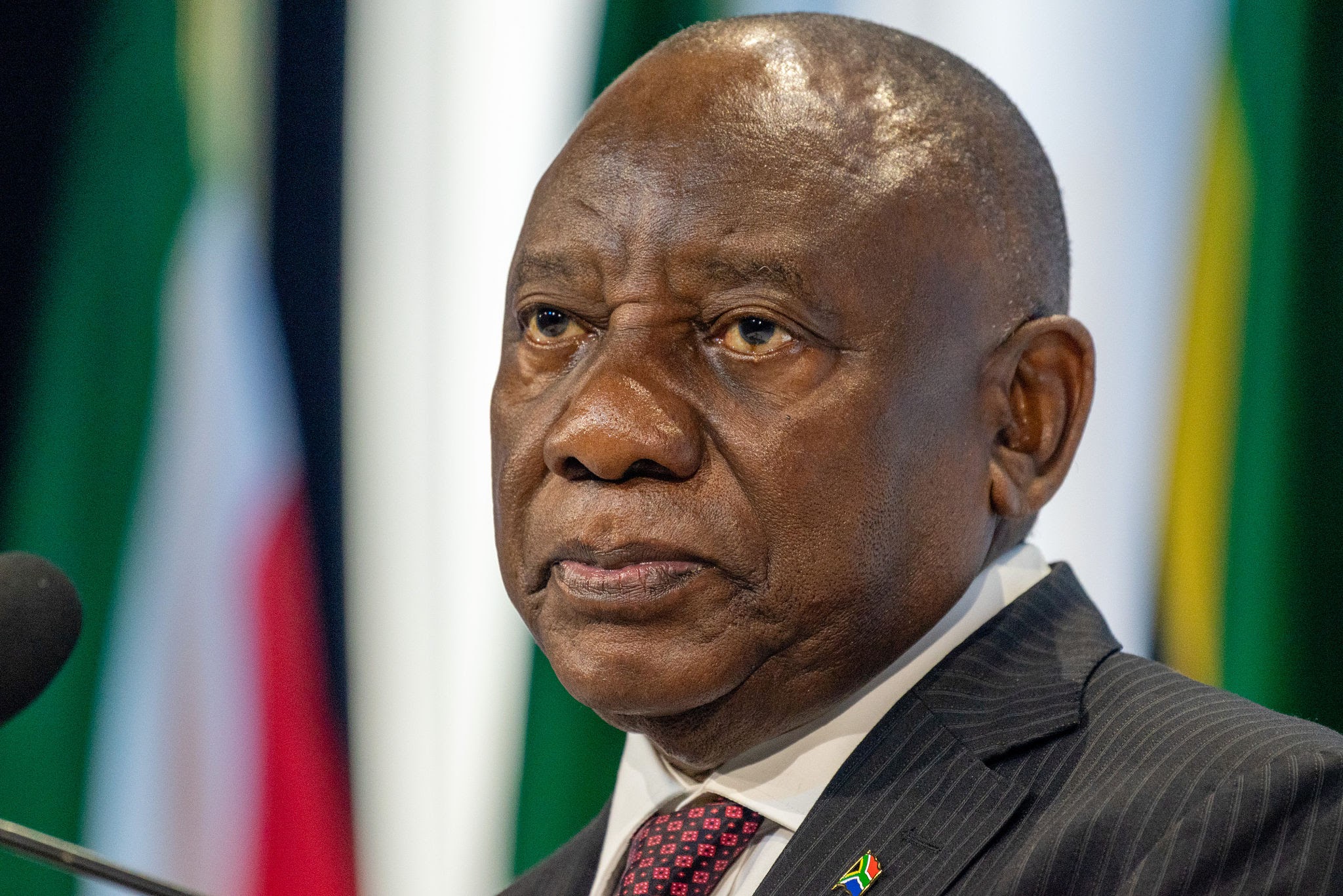
The Government of Ghana has reportedly declined a proposed state visit by South African President Cyril Ramaphosa amid growing diplomatic tensions over recurring xenophobic attacks targeting foreign nationals in South Africa.
The development follows renewed concerns across Africa over the safety of migrants after a fresh wave of anti-immigrant violence and protests prompted several countries to review their diplomatic engagements with Pretoria.
According to reports, Ghana’s decision reflects growing frustration over repeated attacks on African nationals living and doing business in South Africa, despite previous assurances by the South African government to address the problem.
The latest diplomatic setback comes as governments across the continent continue to condemn attacks on foreign-owned businesses and residents, with many calling for stronger measures to protect migrants and uphold regional unity.
Analysts say the decision sends a strong message that African nations expect more decisive action from South Africa to tackle xenophobia and ensure the safety of all residents regardless of nationality.
The issue has strained relations between South Africa and several African countries in recent years, with previous outbreaks of violence leading to diplomatic protests, evacuations of foreign nationals and calls for compensation for victims who lost businesses and property.
Recent anti-immigration demonstrations have once again heightened fears among foreign communities, prompting some governments to organise voluntary evacuation programmes for their citizens.
Diplomatic observers believe the reported cancellation of the visit underscores the growing pressure on South Africa to restore confidence among its African partners and demonstrate greater commitment to protecting foreign nationals.
While neither government has announced a complete breakdown in diplomatic relations, the decision is expected to influence ongoing discussions on regional cooperation, migration and the protection of African citizens living outside their home countries.
The African Union and other regional stakeholders have repeatedly emphasised the need for peaceful coexistence, urging member states to strengthen collaboration in combating xenophobia and promoting unity across the continent.
Stay informed and ahead of the curve! Follow The National Concord Blog Newsletter for real-time updates, breaking news, and exclusive content. Don't miss a headline – join now below!