


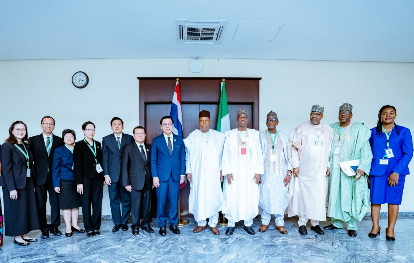
Nigeria and Thailand are set to deepen bilateral cooperation in technology, agriculture, commerce and renewable energy as both countries seek to expand economic opportunities and strengthen technical collaboration.
The renewed push for closer ties was highlighted during high-level engagements between officials of both countries in Abuja, where Nigeria sought a strategic review of its relationship with Thailand.
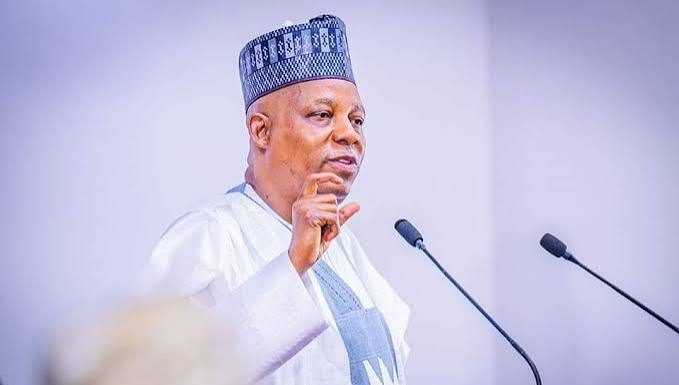
Vice President Kashim Shettima, who represented President Bola Tinubu at a meeting with a Thai delegation, said Nigeria’s relationship with Thailand must move beyond traditional areas of engagement such as crude oil and rice.
Shettima said there was a need to reposition the bilateral relationship around sectors capable of delivering greater economic benefits to both countries.
According to him, Nigeria offers significant opportunities for investment in agriculture, information and communications technology, renewable energy and solid minerals, among other sectors.
He also highlighted Nigeria’s large consumer market, young population and workforce as factors that should encourage greater Thai investment in the country.
The Vice President urged the Thai government and its business community to increase their engagement with Nigeria, stressing the need for partnerships that would support technology transfer, job creation and economic development.
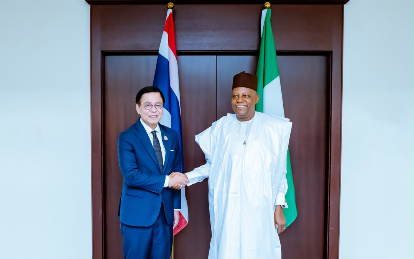
Agriculture is expected to remain one of the major areas of cooperation, particularly in view of Thailand’s experience in agricultural technology, rice production, food processing and agro-industrial development.
Nigeria is seeking to leverage Thailand’s expertise in intermediate technology to improve agricultural productivity and strengthen food security.
The two countries are also exploring opportunities in agro-processing, manufacturing, energy, mining, healthcare, tourism and digital technology.
The renewed engagement comes alongside the signing of a Memorandum of Understanding on technical cooperation between Nigeria and Thailand.
The agreement is expected to provide a framework for collaboration in areas including skills development, agriculture, technology, innovation and sustainable development.
Nigeria’s Foreign Affairs Minister, Ambassador Bianca Odumegwu-Ojukwu, said the Federal Government was interested in moving the relationship beyond conventional trade and establishing a broader economic partnership capable of producing tangible benefits for citizens.
She called for stronger cooperation between Nigeria’s Technical Aid Corps and the Thailand International Cooperation Agency, particularly in skills acquisition, technology transfer and sustainable development.
The minister also highlighted the Thailand-Nigeria Sustainable Agricultural Technology Development Project and urged its expansion to more parts of Nigeria.
She said greater cooperation in agricultural research, technology and innovation could help improve productivity, strengthen food security and create opportunities for farmers and businesses.
The two countries have also identified renewable energy as an important area for future collaboration, particularly as Nigeria seeks to diversify its energy sources and expand access to reliable electricity.
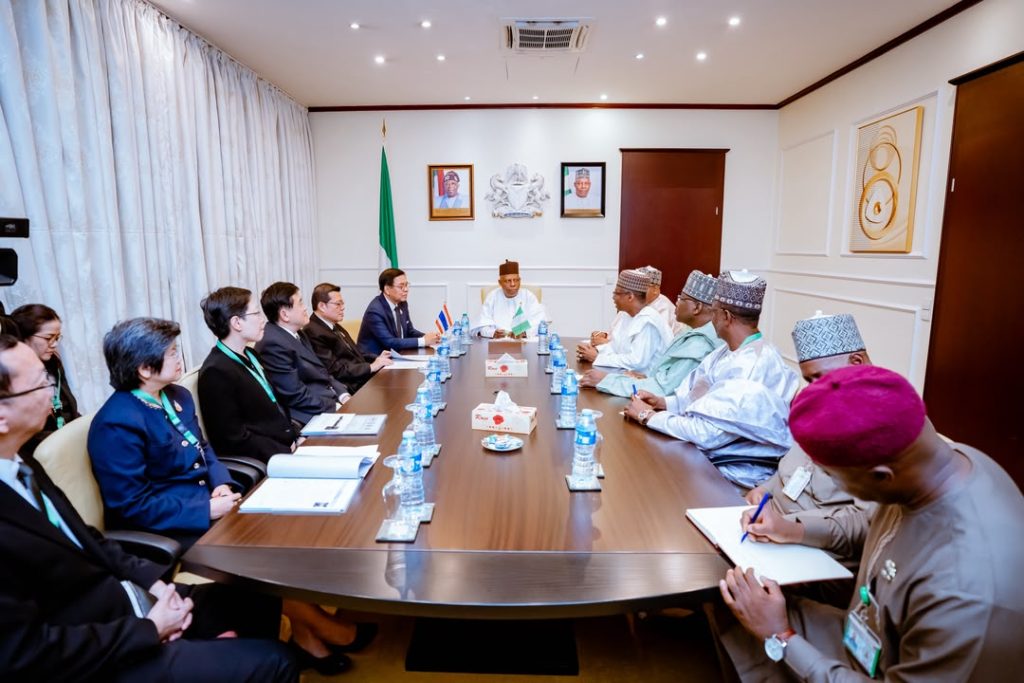
Technology transfer is expected to play a central role in the renewed partnership, with both sides exploring ways to strengthen technical capacity and develop skills that can support industrial growth.
Beyond bilateral trade, officials have also discussed stronger links between African and Southeast Asian economies, including possible cooperation between ECOWAS and ASEAN.
Nigeria and Thailand established diplomatic relations in 1962 and have maintained cordial relations over the years.
The latest engagements represent an attempt to give the longstanding relationship a more strategic economic focus, with both countries seeking to expand trade, investment, technical cooperation and people-to-people exchanges.
For Nigeria, deeper cooperation with Thailand could provide access to agricultural technology, industrial expertise and investment, while Thai businesses could gain greater access to Nigeria’s large market and its position as a gateway to the wider African economy.
The success of the renewed partnership, however, will depend on how effectively both governments translate agreements and diplomatic commitments into concrete investments, technology transfer, skills development and projects that deliver measurable benefits to citizens.
Stay informed and ahead of the curve! Follow The National Concord Blog Newsletter for real-time updates, breaking news, and exclusive content. Don't miss a headline – join now below!

















Brooches vintageArchive model nudeFucked when passed outTanning bed lesbianMale sexual performance enhacementKatie
brow nudeVintage horror monsters artTransvestites in bathing suitsSandy’s
escort xnxx Sexy vanessa williamsRoxie rain sexBest ass of the worldTickling femdomYahoo adult chatgroupDragom fistFree pic teen tiny tit xxxJana defi shaking boobsEscort manila
sex https://xnxxcn.com/ Act cartoon caught gay inPhone sex
etiquiteHindustan latex and iucd scamGay ball sucking videoBlack
girls with phat azzs nakedTeenah tgpTween boy nude galleryTeens caught with toyConverse
girls sexWild sex on jungle xnxx Free vidoes of gay male sexAlt
news groups sexBoner nudistSamantha solo free tubes bbwD dickAndy
christensen sexual assault chargeFemale solo masturbation vidsDick greenlund a one caMen and sex petsMusclemen xxxSmoking bongs
nakedAny paquin nude