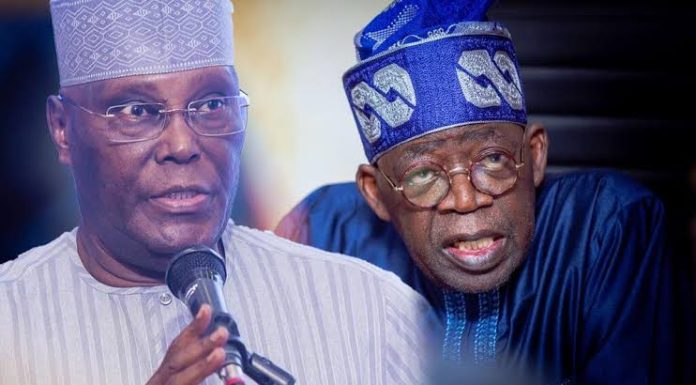

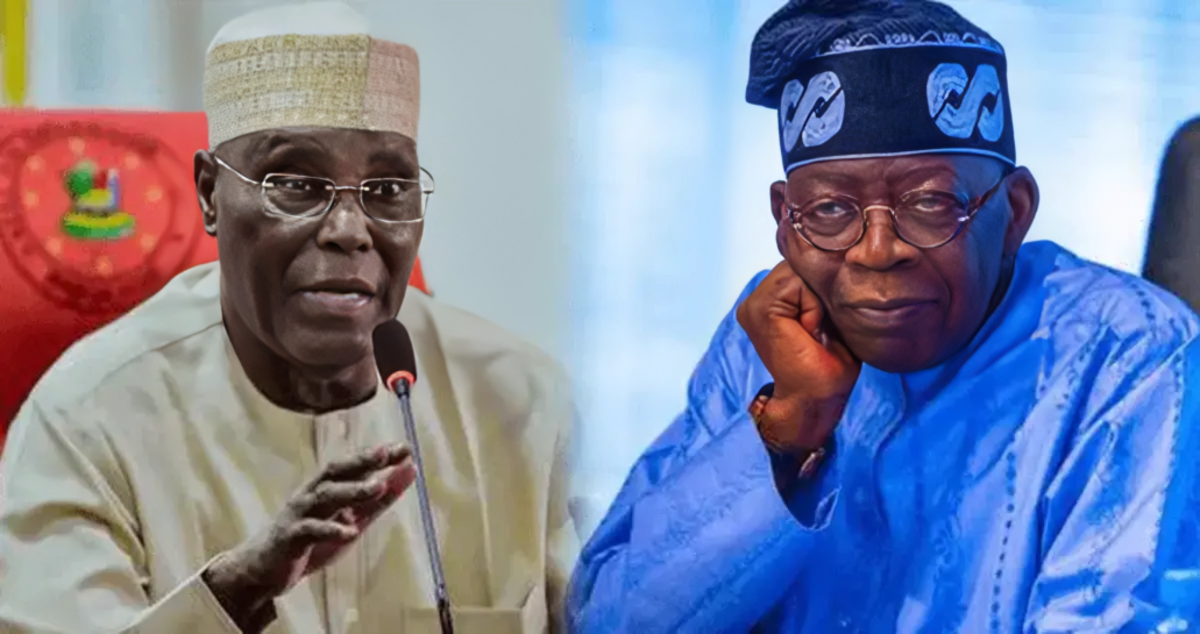
Former Vice President Atiku Abubakar has challenged President Bola Tinubu’s administration to investigate and prosecute him if it has evidence linking him to wrongdoing in connection with the controversial $16bn power sector expenditure.
Atiku, through his Senior Special Assistant on Public Communication, Phrank Shaibu, said the renewed allegations surrounding the power projects, privatisation and public assets were an attempt to divert attention from questions over the management of government revenue following the removal of the petrol subsidy.
The former vice president maintained that he had nothing to fear from any investigation, insisting that successive governments had had almost two decades to establish any case of wrongdoing against him.
According to Atiku, the National Assembly had previously investigated the power projects, but he was never invited to respond to any allegation arising from the exercise.
He also clarified his role as chairman of the National Council on Privatisation during his tenure as vice president, saying that although he chaired the council, he did not oversee the implementation of the controversial power project.
Atiku said the relevant minister was responsible for the implementation of the project, adding that he had disagreed with the concept of the project itself.
“I have repeatedly asked to be investigated. I left office in 2007 and have spent much of the period since then opposing governments in power. If there is evidence that I stole public money, why has no government produced it before a court?” he asked.
He subsequently threw down the gauntlet to the Federal Government, challenging it to reopen the matter if it believed it had credible evidence against him.
“It is still not too late. Investigate me. Invite me. Produce the evidence. Prosecute me if you have a case. But propaganda cannot substitute for evidence,” Atiku said.
The ADC presidential candidate argued that the renewed focus on the power sector was politically motivated, particularly as he continues to demand accountability over the funds accruing to government following the removal of petrol subsidy.
Atiku said Nigerians had been told that removing the subsidy would free up resources for development and improve the country’s economic fortunes.
Instead, he argued, citizens had continued to face rising petrol, transportation and food prices, while the purchasing power of workers had been significantly weakened.
“Today, petrol is more expensive, transportation is more expensive, food is more expensive and the purchasing power of the Nigerian worker has been devastated,” he said.
The former vice president also questioned the management of increased government revenues, alleging that fiscal incentives, waivers, tax credits and concessions continued to benefit powerful economic interests.
He therefore challenged the Federal Government to explain how the resources generated after subsidy removal were being utilised.
“So our question remains brutally simple: Where is the people’s money?” Atiku asked.
He accused the administration of applying what he described as a double standard by withdrawing relief from ordinary Nigerians while defending interventions benefiting powerful economic interests as incentives.
Atiku further dismissed what he described as sponsored social media attacks, insisting that such tactics would not stop him from demanding accountability from the government.
He argued that allegations dating back nearly two decades should not be used as a substitute for evidence, particularly when successive administrations have had access to the country’s investigative institutions.
The former vice president said his position remained straightforward: if the government has evidence against him, it should bring it forward and allow the appropriate authorities to investigate and prosecute the matter.
“If you have evidence against Atiku, bring it. If you have a case, prosecute it. But if you have neither, stop manufacturing distractions and answer Nigerians: You removed the subsidy. You collected the savings. Where is the money?” he said.
The latest exchange adds to the growing political confrontation between Atiku and the Tinubu administration ahead of the 2027 general elections, with economic policy, subsidy removal and accountability increasingly becoming major areas of contention.
Stay informed and ahead of the curve! Follow The National Concord Blog Newsletter for real-time updates, breaking news, and exclusive content. Don't miss a headline – join now below!