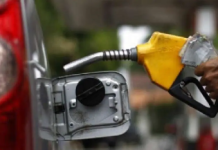



Petrol prices in Nigeria are expected to decline in the coming weeks following the reopening of the Strait of Hormuz, a critical global oil transit route that had been disrupted by recent geopolitical tensions.
Energy experts say the reopening, triggered by a ceasefire involving the United States, Iran and Israel, has already led to a sharp drop in global crude oil prices, raising hopes of relief for consumers.
According to industry analysts, petrol prices could fall below ₦1,000 per litre from the current levels of about ₦1,261, provided the ceasefire holds and supply routes remain stable.
An energy law expert at the University of Lagos, Dayo Ayoade, noted that while the development would restore confidence in global oil markets, the impact on domestic fuel prices would not be immediate. He explained that the reopening would gradually ease supply chain disruptions that had driven up crude prices in recent weeks.
Also Read: JAMB Releases 632,788 UTME Results, Warns Against Score Manipulation
Similarly, oil marketers projected that depot and retail prices would decline, although delays could occur as marketers exhaust existing stock purchased at higher rates.
Global oil markets have already reacted to the development, with prices dropping by over 10 percent after Iran announced that the waterway was “completely open” to commercial shipping during the ceasefire period.
Despite the optimism, experts caution that Nigerians may not experience an immediate reduction in pump prices, as local market dynamics and distribution timelines could slow the transmission of global price changes.
Industry stakeholders, including the Petroleum Products Retail Outlets Owners Association of Nigeria, expressed optimism that prices could drop to around ₦900 per litre if stability persists, while also urging marketers to reflect reductions fairly when new supplies arrive.
The reopening of the Strait through which about a fifth of the world’s oil supply passes marks a significant easing of tensions in global energy markets, though analysts warn that sustained peace will be crucial for long-term price stability.
Stay informed and ahead of the curve! Follow The National Concord Blog Newsletter for real-time updates, breaking news, and exclusive content. Don't miss a headline – join now below!