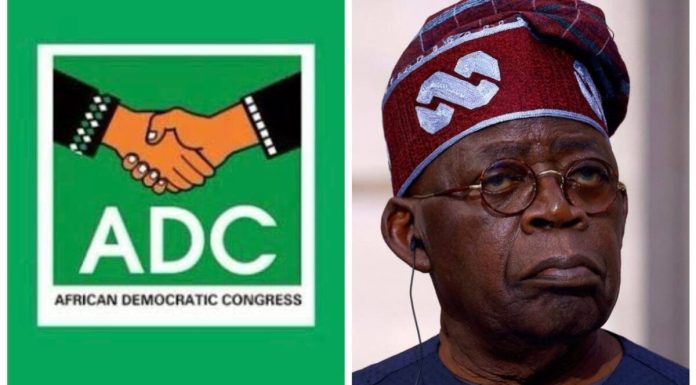



There is a peculiar Nigerian habit of consuming politics the way one consumes pepper soup at a roadside joint, fast, hot, and without pausing to ask what exactly went into it. So before certain quarters begin celebrating, crying, panicking, spreading gossip, or mass-producing political propaganda over the reported leadership transition within the Progressive Governors Forum, a few words of caution and context are in order.
Not every breaking news is final. Not every political movement signals war. And not every alignment or realignment amounts to crisis.
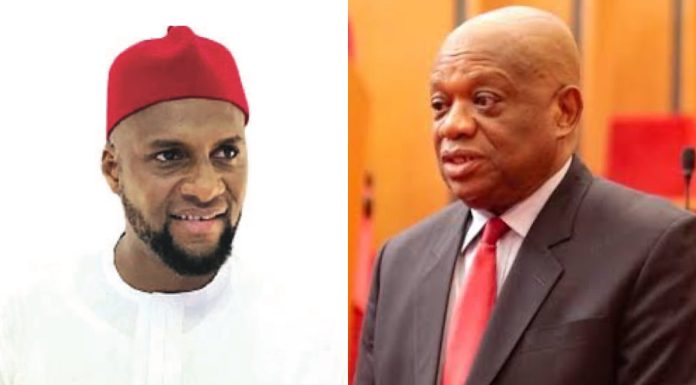
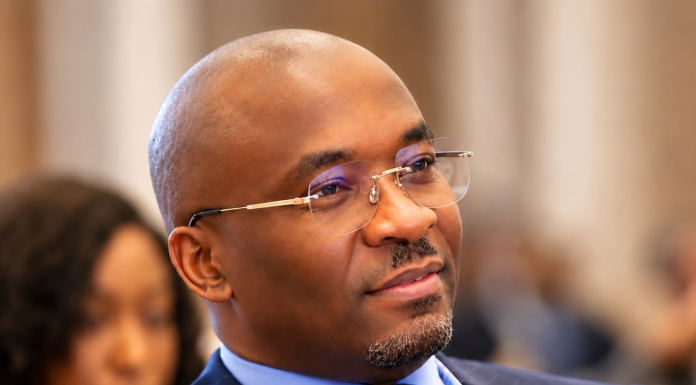
The reported emergence of Governor Peter Ndubuisi Mbah of Enugu State as the new chairman of the PGF, if it holds is not a headline to be swallowed raw. It may well reflect a web of ongoing negotiations, strategic recalibration at the highest levels, deliberate alliance building, perception management exercises, or the kind of power balancing that precedes major electoral seasons. Until officially confirmed, discerning political observers should treat it for what it presently is: emerging speculation with credible undercurrents, not settled political reality. What is beyond dispute, however, is that something significant is stirring within.
This Is Chess, Not Karaoke
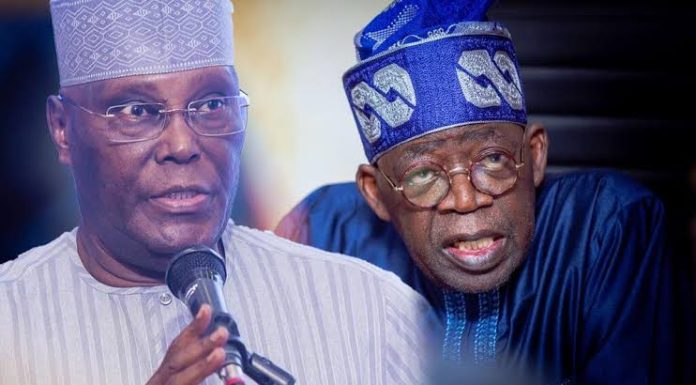
The real question hanging over this development is not simply who chairs the PGF. It is a more consequential one: how far is President Bola Ahmed Tinubu (PBAT), as his admirers call him willing to stretch his own political capital, restructure his alliances, and potentially expose his carefully constructed structures in pursuit of a broader strategic vision ahead of 2027?
Every calculated move within the PGF carries weight. The Forum is not merely a social club for APC governors. It is a critical instrument of executive consolidation, legislative leverage, and electoral coordination. Whoever chairs it wields institutional influence that can shape governorship loyalties, manage Abuja’s relationship with state capitals, and most critically affect the temperature of presidential support across the federation’s thirty-six states come election season.
Tinubu is widely regarded as a master political strategist. His political biography from Lagos to Aso Rock reads like a graduate thesis on alliance management, elite bargaining, and timing. But even the most seasoned chess grandmaster must eventually decide which pieces he is willing to sacrifice for positional advantage and which pieces are simply too valuable to expose.
The risk calculation is real. Restructuring the PGF leadership touches on personal loyalties, regional sensitivities, factional balances within the APC, and the carefully managed egos of powerful governors who consider themselves co-architects of the Tinubu presidency. Move one piece carelessly, and the ripple effects can be felt from Abuja to Port Harcourt, from Maiduguri to Enugu.
The Literacy Problem
There is, however, a deeper issue that this development forces us to confront. A significant portion of the Nigerian political audience engages with stories like this not as informed observers but as tribal cheerleaders or emotional reactors. Political propaganda spreads faster than political analysis. Manufactured narratives outlive factual corrections. And social media for all its democratising potential frequently serves as an accelerant for misinformation rather than a platform for genuine political education.
This is precisely why media literacy is not a luxury in contemporary Nigerian politics. It is a survival skill.
To properly interpret a development like the PGF chairmanship transition, one must understand the grammar of political signalling, the logic of institutional realignment, the difference between a tactical move and a strategic shift, and the distinction between firsthand information and manufactured perception. Without these tools, the average citizen becomes permanently vulnerable not just to political manipulation, but to becoming an unwilling instrument of someone else’s propaganda machinery.
Politics, at its most sophisticated level, operates through interests, timing, negotiation, and institutional restructuring not through the noise and emotion that dominate timelines every time a political rumour breaks.
Conclusion
Hope may indeed be swimming in troubled waters. But whether it survives the current depends entirely on how wisely the hands steering the boat read the currents beneath the surface.
Tinubu’s strategic instincts have rarely failed him at pivotal moments. The question 2027 is beginning to ask quietly, persistently, is whether those instincts remain sharp enough to balance loyalty and ambition, consolidation and expansion, institutional management and personal reputation, without capsizing the very structures that brought him to power.
Watch the PGF. Watch who speaks and who stays silent. And above all, resist the temptation to mistake political noise for political intelligence.
Because in Nigerian politics, as in chess, the most dangerous move is often the one you did not see coming made quietly, deliberately, and long before anyone thought the game had started.
Stay informed and ahead of the curve! Follow The National Concord Blog Newsletter for real-time updates, breaking news, and exclusive content. Don't miss a headline – join now below!