

The Nigerian National Petroleum Company Limited has increased the pump price of Premium Motor Spirit, popularly known as petrol, by about five per cent.
The latest adjustment represents another increase in the price of petrol amid continuing volatility in the downstream petroleum market.
The development comes despite the growing competition between the NNPCL and Dangote Petroleum Refinery, which has increasingly supplied refined petroleum products to the Nigerian market.
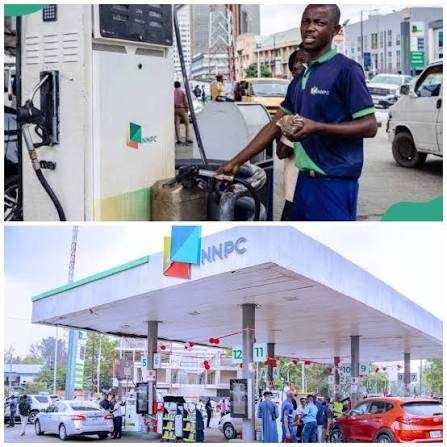
A market survey following the latest adjustment showed that NNPCL retail outlets had begun reflecting the new price, with motorists and other consumers expected to bear the impact of the increase.
The latest hike is expected to trigger fresh concerns among motorists, transport operators and businesses that depend heavily on petrol for transportation and power generation.
The increase also comes at a time when Nigerians are already grappling with elevated transportation and operating costs arising from previous fuel price adjustments.
Petrol remains a major component of the cost of moving people and goods across the country, meaning any significant change in pump prices can have wider implications for the prices of food, services and other essential commodities.
The latest development is also significant because NNPCL has remained one of the country’s largest petrol retailers, with its filling stations spread across several states.
The company has adjusted its pump prices several times since the removal of petrol subsidy, with pump prices increasingly responding to market conditions rather than being fixed at a uniform national rate.
The latest five per cent increase is therefore likely to further intensify discussions over petrol pricing, competition among suppliers and the broader impact of deregulation on Nigerian consumers.
The development also comes amid continued attention on the relationship between NNPCL’s retail pricing and the prices offered by private marketers and domestic refiners.
With the Dangote Refinery expanding its role in supplying the domestic market, competition in Nigeria’s downstream petroleum sector has become increasingly important in determining how prices are established.
For consumers, however, the immediate concern remains the additional financial burden created by another increase in the price of petrol.
Transport operators are likely to review fares in response to higher operating costs, while businesses that rely on petrol-powered generators could also face increased expenditure.
The latest increase is expected to put additional pressure on household budgets and business owners already dealing with high operating costs.
NNPCL’s latest price adjustment further highlights the continuing sensitivity of Nigeria’s petroleum market and the significant effect of global oil-market developments, domestic supply conditions and competition among refiners and marketers on pump prices.
Stay informed and ahead of the curve! Follow The National Concord Blog Newsletter for real-time updates, breaking news, and exclusive content. Don't miss a headline – join now below!