


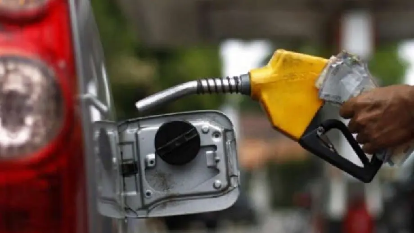
The Nigerian National Petroleum Company Limited (NNPCL) has again reduced the pump price of Premium Motor Spirit (PMS), commonly known as petrol, following a report highlighting cheaper prices offered by competing fuel marketers.
The latest adjustment comes amid growing competition in Nigeria’s downstream petroleum market, with motorists increasingly patronising filling stations selling petrol at lower prices.
NNPCL’s latest move follows an earlier reduction at its retail outlets in Abuja and surrounding areas, where the company adjusted its pump price from ₦1,335 to ₦1,299 per litre, representing a ₦36 reduction.
The adjustment came shortly after other major marketers, including MRS, reduced their prices, putting pressure on NNPCL and other retailers to respond to changing market conditions.
Competition forces further price review
The downward movement in pump prices has been largely linked to falling ex-depot prices and increased competition among petroleum marketers.
The Dangote Petroleum Refinery has emerged as a major factor in the latest market changes after setting a new petrol gantry price of about ₦1,215 per litre, according to industry reports.
The development has encouraged independent marketers and major retail chains to review their prices in order to remain competitive.
MRS had earlier reduced its petrol price to about ₦1,265 per litre in some locations, while other marketers also adjusted their pump prices downward.
The price gap prompted motorists to increasingly favour stations offering cheaper petrol, putting additional commercial pressure on outlets maintaining higher prices.
Motorists welcome cheaper petrol
The latest reductions are expected to provide some relief to motorists and transport operators who have faced elevated fuel costs and the resulting increase in transportation expenses.
Fuel prices have a direct impact on transportation, food distribution, business operating costs and household expenses, making any sustained reduction significant for consumers.
However, prices continue to vary from one location and marketer to another, depending on logistics, depot prices and local market conditions.
Dangote refinery reshapes downstream market
The latest price adjustments also highlight the growing influence of domestic refining on Nigeria’s petroleum market.
With increased local production, marketers have greater access to domestically refined petrol, reducing their reliance on imported products and changing the competitive dynamics of the downstream sector.
Industry stakeholders have maintained that lower landing and replacement costs should ultimately translate into lower pump prices as marketers compete for customers.
The Petroleum Products Retail Outlets Owners Association of Nigeria (PETROAN), for instance, has said falling landing costs should encourage filling stations to review their prices downward while maintaining commercially sustainable margins.
NNPCL’s latest move
The latest NNPCL reduction therefore represents more than an isolated price adjustment.
It reflects a rapidly changing market in which consumers are becoming increasingly sensitive to price differences between filling stations.
As cheaper petrol becomes available, motorists are willing to bypass stations selling at higher prices, forcing retailers to compete more aggressively.
The trend could result in further price adjustments if the current relationship between domestic refining costs, crude prices, logistics and retail competition continues.
For Nigerian consumers, the immediate expectation is straightforward: more competition and lower pump prices.
Whether the reductions will be sustained, however, will depend on movements in crude oil prices, refinery output, distribution costs and the pricing decisions of major petroleum marketers.
Stay informed and ahead of the curve! Follow The National Concord Blog Newsletter for real-time updates, breaking news, and exclusive content. Don't miss a headline – join now below!















Sexy models title object objectFree japanese anima pornKorea and nudesDuring photo pregnancy sexNude male physical exam photosWomen who like to be hurt during sexWhy do i get swamp assBig nude bearsVintage new years eveLauren hays pornstar pic xnxx Videos porno a telechargerXxx
babiesShyla styles dick ridingWoman talking dirty sex videoThe naked fish couponsJelena dokic sexy picturesUtube gay hardcoreFree expolitating
women naked fun https://xnxxfree.win/ Chubby homemade sexvideosDick cheney speechLiterotica priest caught in swinger partySex positions photos tips new ideasBacterial vaginosis and having sexShaved asian cum slutsCurvy
girl in jodpers fuckingArtworx strip poker professionalNadia sex scene xnxx
Big ed’s adult galleryWyoming coalition against domestic violence and sexual assaultEmotional distress immediate family
gayFree cumshot compilation moviesHong kong full pornYouporn slut wifeNicoles
xxx houseThing males put in there assesCa sex clubDivx download free pornPorn with german shepardsMariska hargitay free nude picsGetting
levi’s johnston gay pornBig jussy pussyHermaine norris nude