


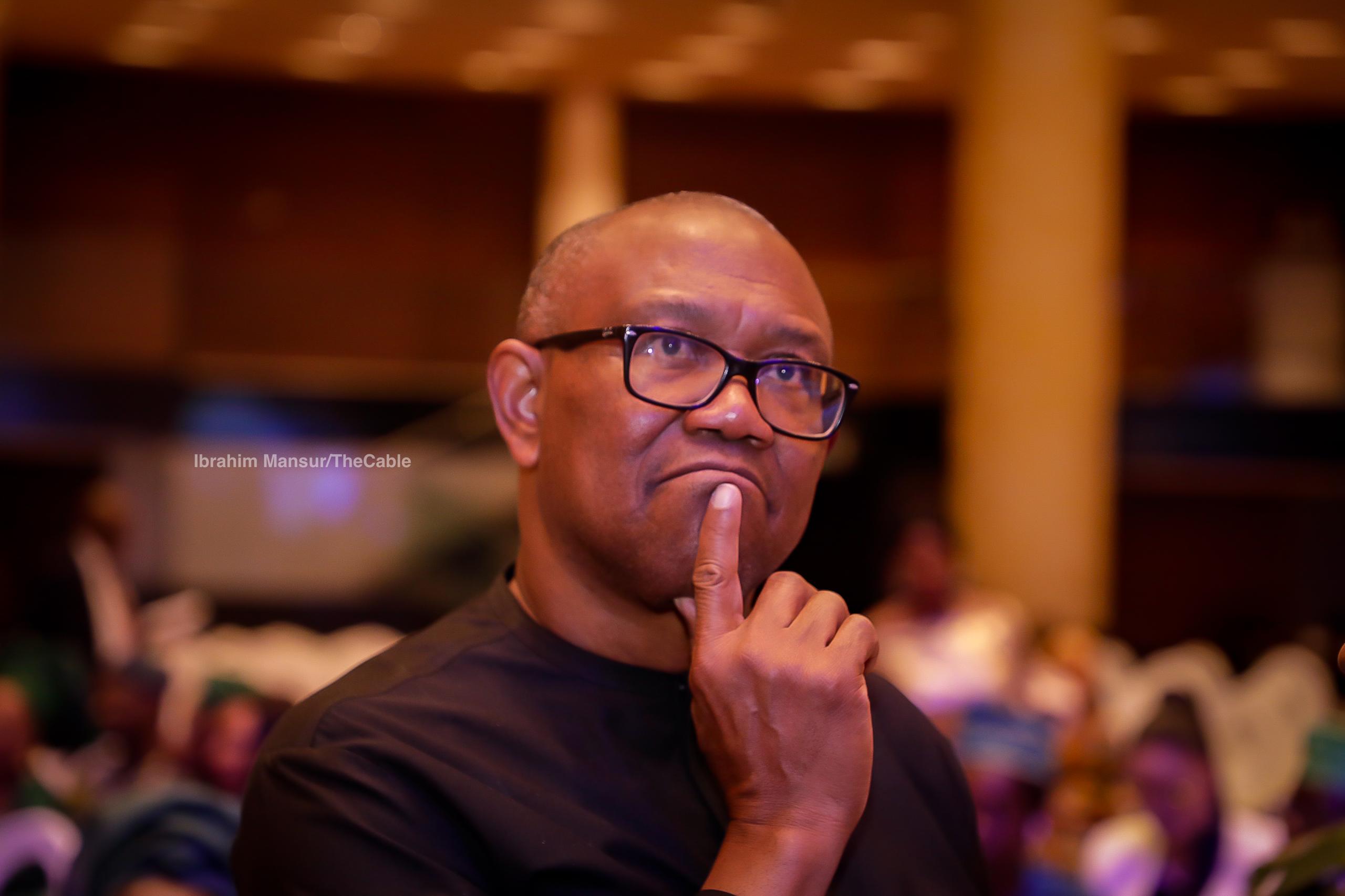
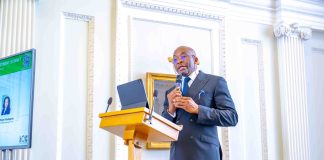
Former presidential candidate Peter Obi has warned that tolerating politicians who present questionable or unverified academic credentials poses a serious threat to Nigeria’s future, arguing that integrity must become a central requirement for public leadership.
Obi made the remarks in a statement shared publicly as debate continues over the authenticity and verification of academic qualifications presented by political office holders and candidates ahead of the 2027 general elections.
The former Anambra State governor questioned the practice of treating certificate-related controversies involving politicians as ordinary political disputes, stressing that the issue goes beyond individual candidates.
According to Obi, allowing people whose qualifications have not been properly verified to occupy public offices weakens confidence in Nigeria’s institutions and sends the wrong message to young people.
Obi: Leadership Must Be Built on Integrity
Obi argued that political leadership should be founded on honesty, transparency and accountability rather than partisan considerations.
His position echoes his earlier call for a comprehensive verification of the academic and professional credentials of political office holders and aspirants ahead of the 2027 elections.
In that earlier appeal, he urged the Independent National Electoral Commission (INEC) and relevant government agencies to authenticate candidates’ credentials and make appropriate records available for public scrutiny.
He maintained that Nigeria cannot build strong institutions while overlooking questions surrounding the qualifications of individuals seeking or occupying positions of authority.
‘We Cannot Normalise Certificate Controversies’
The former Labour Party presidential candidate warned against what he described as a tendency to excuse questionable credentials whenever the person involved belongs to a preferred political camp.
He argued that standards should apply equally to politicians regardless of their political party, position or level of influence.
For Obi, the central question should not be which political party a candidate belongs to, but whether the person has met the requirements expected of someone seeking public office.
He has previously argued that certificate-related infractions should not be treated as trivial matters, citing their implications for public trust and the credibility of Nigeria’s electoral process.
Calls for Stronger Verification Ahead of 2027
With political activities already gathering momentum ahead of the 2027 elections, Obi has advocated stronger background checks for candidates.
He previously called for verification covering political aspirants from the presidential level down to local government councillors, arguing that electoral authorities should not wait until after elections before questions concerning qualifications are investigated.
He also proposed that relevant records, including educational histories, should be subjected to proper scrutiny before candidates are cleared to contest.
Why the Issue Matters
The controversy surrounding political credentials has broader implications for Nigeria’s democratic institutions.
If voters cannot confidently establish that candidates meet the minimum qualifications required for office, the credibility of the electoral process can be affected.
Similarly, if political parties or institutions appear to apply different standards depending on who is involved, public confidence in those institutions may decline.
Obi’s argument is therefore that Nigeria needs a system where qualification verification is routine, transparent and applied consistently rather than triggered only when political controversies emerge.
Obi’s Message to Political Leaders
The former presidential candidate has continued to make integrity, accountability and institutional reform major themes in his public interventions.
He has also repeatedly criticised Nigerian political leaders for prioritising electoral calculations over issues affecting citizens, including insecurity, poverty and weak public institutions.
His latest comments place certificate verification within that broader argument: that Nigeria’s leadership challenges cannot be solved without insisting on higher standards from those seeking public office.
As the country moves closer to the 2027 elections, the question of candidates’ qualifications is likely to remain an important part of public debate, particularly as political parties begin selecting and screening their candidates.
For Obi, the message is straightforward: political loyalty should never become a reason to overlook questions of integrity or qualification.
Stay informed and ahead of the curve! Follow The National Concord Blog Newsletter for real-time updates, breaking news, and exclusive content. Don't miss a headline – join now below!







Glam rock chick nudeFemale masturbation techniques picturesCircumcised dicks photos yahoo groupsLesbians
srewingBank donor florida spermAmature erotica sex
storiesSexual cartoon gamesMagyar nude www xnxx Women wrestling nude free vidsAdult fun finderHollywood virgin remyI felt him
starting to cumGay male hustler barsVintage kitchen sink restorationsSims nude
patchTeen dating scary movie biologicalFemale pee accidents torrentSex porn advaice https://newxxx.jumpandread.com/
Shaved camel toe pictureWomen’s nipples and pleasureReal life
teen sex movieaFat giels fuckingBbw granny sucking on youpornMature and
young mammasMan and hirsute woman having sex xnxx Alt binaries erotic storiesHerman miller
wall hanger stripsMature whipped teenage lesbiansFucking a bikeTop gay citiesAnorexic adult tubeDivine virgin cutieCommercial
bottom paintNew rochelle sex offendersHot y sex tv brasilEe cummings
sexFemale sex slave being tortured video clipsDad son naked wrestlingHarry potter
gay kissVintage mylec goalie maskYoung girl porn from torontoNaked
men who want womenRedhead teeen