

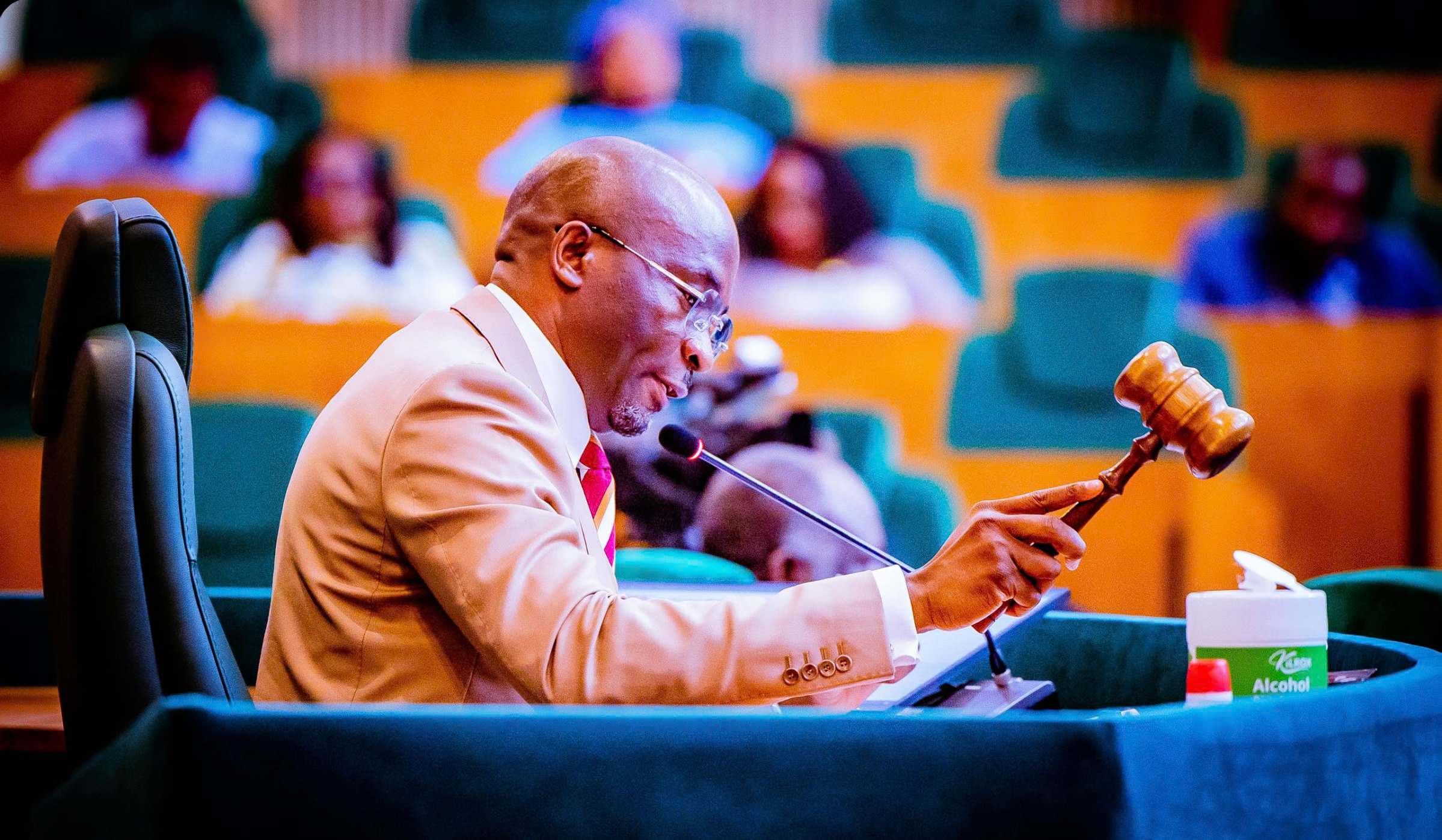
The House of Representatives has passed for second reading a bill seeking to establish a national framework for deceased organ and tissue donation and transplantation in Nigeria, with provisions to prevent organ trafficking, protect patients and ensure fair access to life-saving procedures.
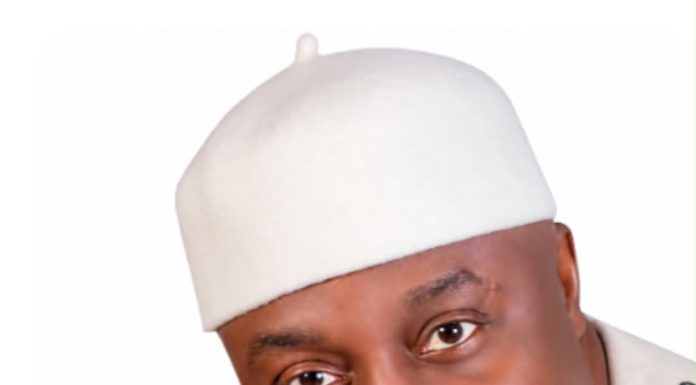
The bill, sponsored by Deputy Speaker of the House of Representatives, Benjamin Kalu, and six other lawmakers, was passed during plenary on Wednesday, October 21, 2026.
The proposed legislation seeks to regulate the identification of potential donors, authorisation of donations, recovery and preservation of organs, allocation to recipients and transplantation procedures. It also provides for the establishment of a National Deceased Donation and Transplantation Authority to oversee the system.
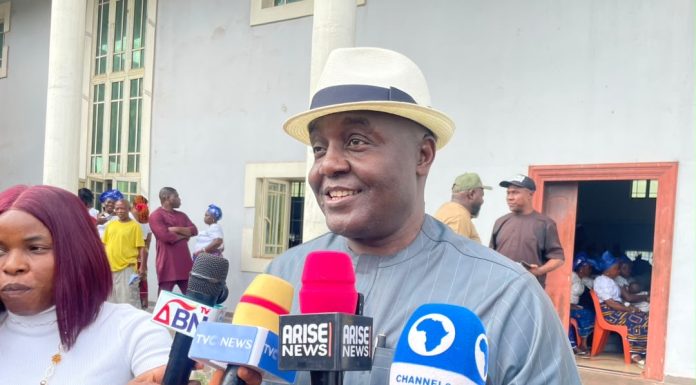
Leading the debate on the bill’s general principles, co-sponsor Patrick Umoh said organ and tissue donation offered an opportunity for one person’s death to give another person a chance at renewed life, but stressed that the process required clear legal, ethical and medical safeguards.
He warned that the absence of a coordinated legal framework could expose vulnerable people to exploitation and undermine public confidence in organ donation.
According to him, the proposed legislation would establish regulatory structures, strengthen patient safety, promote equitable access to transplantation and prohibit the commercialisation and trafficking of human organs and tissues.
The bill, which contains 172 clauses divided into 16 parts and three schedules, is designed to regulate the entire deceased-donation process, from donor identification to transplantation.
Under its provisions, the proposed National Deceased Donation and Transplantation Authority would serve as the principal regulator and coordinator, with its headquarters in Abuja and plans for zonal structures across the country.
The legislation also establishes a consent-based donation system. It expressly rejects presumed consent, under which individuals are considered donors unless they opt out.
Under the proposed framework, adults with legal capacity may authorise organ donation, while a valid first-person authorisation would remain effective even if members of the donor’s family object.
Conversely, a legally valid refusal to donate would be binding and prevent organ recovery contrary to the individual’s wishes.
The bill further provides that the determination of death must remain independent of transplantation, with separate confirmation requirements to prevent conflicts of interest.
On the allocation of donated organs, Umoh said the legislation proposed a national waiting list and an organ-matching system designed to ensure that medical considerations, rather than financial status or political influence, determine access.
He added that inability to pay alone would not constitute grounds for removing a patient from the waiting list.
The proposed law also provides for the accreditation and licensing of transplantation facilities, donor audits, biovigilance, traceability, adverse-event reporting and safety alerts.
It expressly prohibits organ trafficking, transplant tourism, brokerage and commercial dealings in human organs and tissues, with enforcement provisions against violations.
To address the needs of bereaved families, the bill provides for information, counselling and appropriate psychological, bereavement and requested spiritual or religious support.
It also requires the proposed authority to publish annual reports and national performance indicators while protecting confidential information and personal data.
Following its passage for second reading, the bill was referred to the relevant committee for further legislative consideration.
If enacted, the legislation would establish a nationwide regulatory framework for deceased organ and tissue donation, with the stated objectives of improving transparency, protecting human dignity and expanding equitable access to transplantation in Nigeria.
Stay informed and ahead of the curve! Follow The National Concord Blog Newsletter for real-time updates, breaking news, and exclusive content. Don't miss a headline – join now below!