


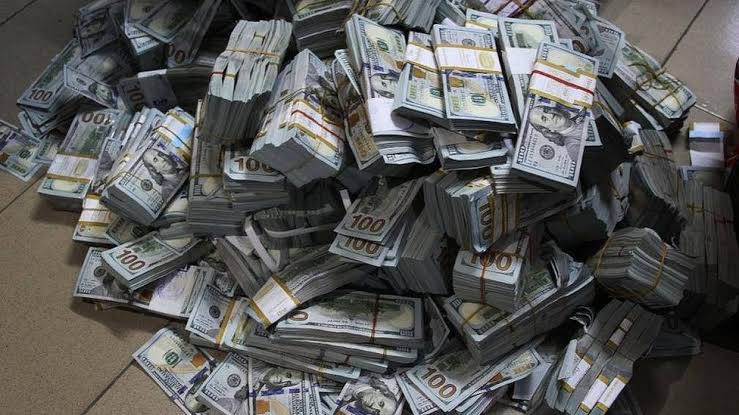
The Nigerian naira continued its recent appreciation against the United States dollar at the official foreign exchange market on Thursday, August 13, 2026.
Data from the Central Bank of Nigeria’s Nigerian Foreign Exchange Market (NFEM) showed that the naira remained stronger against the dollar, extending the positive trend recorded in recent trading sessions.
The CBN identifies the NFEM rate as the official exchange rate for the day, calculated using a volume-weighted average of transactions in the market. CBN data for August 13 showed an NFEM rate of about ₦1,357.65/$1.
However, rates quoted by different market sources can vary depending on the market segment, timing and whether the figure represents an official, parallel-market or mid-market rate.
A report published by Vanguard on the same day put the official rate around ₦1,367 per dollar, while noting a parallel-market rate of approximately ₦1,425, creating a significant gap between the formal and informal markets.
The latest movement comes as the naira has maintained relative stability compared with the sharp volatility witnessed during earlier periods of foreign-exchange pressure.
Naira Continues to Strengthen
The recent performance represents a notable improvement from the much weaker levels recorded during previous periods of FX instability.
Market data also showed the USD/NGN exchange rate falling to around ₦1,360.85/$1 on August 13, with the naira recording a reported 1.50% strengthening over the preceding month.
The improvement has been linked broadly to developments in foreign-exchange liquidity, dollar supply and monetary-policy measures, although exchange rates remain sensitive to market demand and supply.
The performance is also significant for businesses and individuals who rely heavily on imported goods, foreign education, international travel and dollar-denominated transactions.
What the Exchange Rate Means for Nigerians
A stronger naira generally reduces the naira cost of imported goods and services when other factors remain unchanged.
It can also lower the local-currency cost of dollar-denominated obligations and potentially ease some pressure on businesses dependent on imported raw materials and equipment.
However, the benefits are not necessarily immediate or uniform across the economy. Prices of goods and services also depend on inflation, transportation costs, energy prices, import duties, production costs and other factors.
For Nigerians receiving money from abroad, however, a stronger naira means each dollar converts into fewer naira.
Official Rate vs Parallel Market
The continuing difference between official and parallel-market rates remains an important feature of Nigeria’s foreign-exchange market.
While the official NFEM rate was around ₦1,358/$1 based on CBN data for August 13, other market reports placed the parallel rate considerably higher.
This means Nigerians buying or selling dollars may encounter significantly different rates depending on where the transaction takes place.
The naira’s latest appreciation will therefore continue to be closely watched by businesses, investors, importers, exporters and ordinary Nigerians as the country seeks greater stability in the foreign-exchange market.
Note: Exchange rates fluctuate during the day and may differ between banks, authorised dealers, Bureau de Change operators and other market sources. The figures above are therefore a snapshot of rates reported for August 13, 2026, rather than a guaranteed transaction rate.
Stay informed and ahead of the curve! Follow The National Concord Blog Newsletter for real-time updates, breaking news, and exclusive content. Don't miss a headline – join now below!