

In a bold move to address decades of historical injustice, the South East Youths Stakeholders Forum (SEYSF) has called on the Nigerian government and its leaders to issue an official apology for falsely branding the January 15, 1966, coup d’état as an Igbo-led conspiracy. This misrepresentation, according to SEYSF, fueled hatred against the Igbo ethnic group, leading to their exclusion from mainstream politics, mass killings, and systemic marginalization.
The demand comes in the wake of revelations by former military ruler General Ibrahim Babangida, who disclosed in his memoir Journey to Serve that the first military coup in Nigeria was not exclusively orchestrated by Igbo soldiers but involved disgruntled officers from various regions across the country. Babangida’s account sheds new light on the events surrounding the coup, challenging long-held narratives that have painted it as an ethnic power grab.
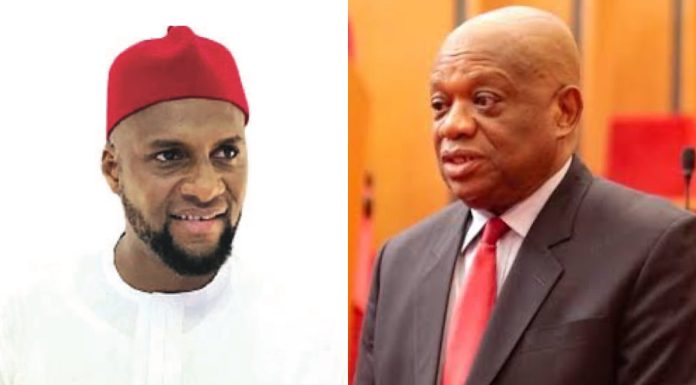
In a statement issued yesterday, SEYSF Chairman Mazi Ezenwa Onyirimba emphasized that the false narrative perpetuated about the coup has caused immense suffering for the Igbo people over the past five decades. He stated that this deliberate distortion of history led to retaliatory massacres against Ndigbo, resulting in thousands of deaths and eventually sparking the Nigerian Civil War (1967–1970). Even after the war, the legacy of exclusion—political, economic, and social—has persisted, leaving deep scars within the Igbo community.
“The truth must now be acknowledged,” Onyirimba stressed. “For too long, the Igbo people have borne the brunt of a lie that served no one but those who sought to divide us. The evidence is clear: the 1966 coup was not an ethnic agenda but a collective response to the deteriorating state of Nigeria’s governance at the time.”
SEYSF insists that the Nigerian Army and the Federal Government owe the Igbo people an official apology for falsely accusing them of plotting the coup for tribal domination. Beyond mere words, the group advocates for concrete actions, including:
- Acknowledgment of Victims: Recognizing and honoring the memory of innocent Igbo lives lost during the pogroms of 1966 and beyond.
- End to Marginalization: Addressing the ongoing exclusion of the Igbo from national leadership roles, security agencies, and economic opportunities to foster genuine national unity.
- Promotion of Truth and Reconciliation: Encouraging honest dialogue and initiatives aimed at healing historical wounds and promoting inclusivity.
As Nigeria grapples with contemporary challenges such as insecurity, corruption, and regional imbalance, addressing past injustices becomes increasingly vital. By confronting these uncomfortable truths, the nation can take significant strides toward healing divisions and building a more inclusive society.
The SEYSF’s call resonates with many Nigerians who believe that true progress cannot occur without reconciliation. It serves as a reminder that acknowledging historical wrongs is not just about righting the record—it’s about paving the way for a brighter, united future.
Stay informed and ahead of the curve! Follow The National Concord Blog Newsletter for real-time updates, breaking news, and exclusive content. Don't miss a headline – join now below!