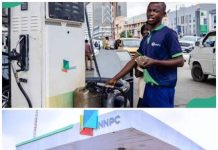


Tension is mounting across Nigeria’s downstream oil sector following an announcement by the Dangote Refinery to begin nationwide distribution of premium motor spirit (PMS) and automotive gas oil (diesel) starting August 15, 2025.
In a move many believe could upend the country’s petroleum distribution dynamics, Dangote Refinery also revealed plans to deploy 4,000 Compressed Natural Gas (CNG) trucks to supply fuel at no cost to select customers nationwide.
Industry players are now grappling with fears of a looming monopoly, which stakeholders say could lead to significant disruptions in the market and potential economic consequences for both businesses and consumers.
While the Independent Petroleum Marketers Association of Nigeria (IPMAN) insists that the development poses no threat to its members, others have sounded the alarm over possible job losses, shutdown of retail outlets, and broader economic risks.
The Depot and Petroleum Products Marketers Association of Nigeria (DAPPMAN), Major Energy Marketers Association of Nigeria (MEMAN), and the Natural Oil and Gas Suppliers Association of Nigeria (NOGASA) are among those warning of market domination by a single entity.
Speaking with National Concord, Billy Gillis-Harry, National President of the Petroleum Products Retail Outlets Owners Association of Nigeria (PETROAN), described Dangote’s strategy as an attempt to control the entire downstream value chain,a scenario he termed dangerous for Nigeria’s 250 million citizens.
“The bigger implication is the tendency for Dangote Refinery to monopolize the industry and control all value chains. That’s risky for Nigeria,” Gillis-Harry said.
“If this happens, independent storage facility owners will be pushed out of business, billions in investments lost, and thousands of jobs wiped out.
Ultimately, Nigerians will bear the brunt through possible fuel price imposition and manipulation.”
He added that the concern is shared across key industry groups, including NARTO, DAPPMAN, MEMAN, and NOGASA.
However, not all stakeholders share the same concern.
In a contrasting view, IPMAN spokesperson Chinedu Ukadike told Daily Post that Dangote’s entry into fuel distribution is a positive development for the sector.
“It is a welcome move. Dangote is not into retailing, and we’re open to receiving their products. It won’t negatively affect IPMAN members,” Ukadike said.
“In fact, it could improve fuel availability in areas previously underserved.”
Earlier this week, National Concord reported growing anxiety among fuel retailers, many of whom warned that Dangote’s dominance could lead to widespread business closures and job losses.
Aliko Dangote, president of the refinery, had recently hinted at major shakeups in Nigeria’s oil sector, triggering fresh debate about the long-term implications of the refinery’s scale and strategy.
Despite continued volatility in global crude oil markets, domestic pump prices in Lagos and Abuja remained steady on Monday, hovering between ₦875 and ₦910 per litre.
Stay informed and ahead of the curve! Follow The National Concord Blog Newsletter for real-time updates, breaking news, and exclusive content. Don't miss a headline – join now below!