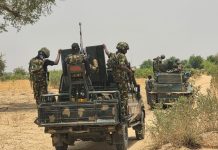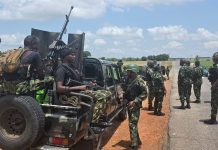



Yelewata, a once-peaceful farming community nestled on the edge of Benue State along the Abuja–Makurdi highway, was turned into a slaughterhouse between June 13 and 14. What unfolded was not just another attack,it was a massacre of unimaginable scale, one that has left deep scars across the Nigerian conscience.
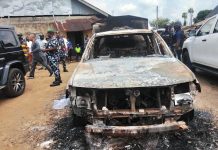
In a calculated overnight raid believed to have been carried out by suspected armed herders, over 300 people were killed, many burnt alive inside homes, market stores, churches, and schools where they had taken refuge. The cries of women, the screams of children, and the deafening roar of gunfire marked what survivors now call “Benue’s darkest night.”
“My World Ended That Night”
Elder Amos, a father and long-time resident, survived with only one of his children. His voice trembled as he recounted the horror:
“In my 57 years, I’ve never seen this kind of evil. My wife and children were burnt alive. That night, my world ended.”
Another survivor, Lucy Tsegba, a young girl, lost her mother and five siblings in the attack.
“My beloved mum and sisters… I love you, but God loves you more. I can’t stop crying. God, you do me strong thing.”
The Victims Were Known, Not Nameless
Among the dead was Pharmacist Matthew Iormba, a brilliant young man who had just returned home to inform his family of his graduation. Hours later, he was dead—burnt alive.
A local footballer, Agande, returned from a match in Makurdi only to find that his entire family of 10 had been incinerated.
Coordinated Terror, Ignored Warnings
Franc Utoo, a Yelewata native, lawyer, and politician, who lost over 33 relatives and more than 50 political supporters, said the attack was not a surprise,it had been foreseen.
“We had credible intelligence that armed attackers were planning to invade Yelewata. We notified law enforcement. Nothing happened. When the attack came, it was targeted. They knew where people were hiding.”
According to Utoo, every night, residents fled their homes to sleep in schools, churches, and market stalls for safety. It was in these supposed places of refuge that many were burnt alive.
Official Denials and Damaging Narratives
Governor Hyacinth Alia sparked outrage when his administration claimed only 59 people died. Survivors and community leaders immediately rejected the figure.
“Over 300 died. One family lost 40 members. I have a list of at least 132 names, and that’s not all,” said Samson, a youth leader in Daudu.
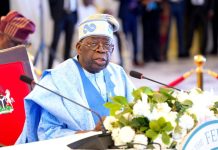
President Bola Ahmed Tinubu, through his spokesperson Bayo Onanuga, described the tragedy as a “reprisal attack”—a term that drew heavy criticism.
“That was the most unfortunate presidential statement I’ve ever seen. He mentioned reconciliation, but not justice. Not even relief for survivors,” said Utoo. “We are not at war. We are being slaughtered.”
Delayed Response and a Deafening Silence
The government’s response has been widely condemned as slow and indifferent. Governor Alia waited over 48 hours to issue a statement. Neither he nor key state officials visited the grieving town promptly.
Security forces, however, acted swiftly—not to protect, but to suppress protests. In Makurdi, 14 protesters, including activist Vincent Otse (VeryDarkMan), were arrested and tear-gassed during a peaceful demonstration demanding justice.
Pope Leo XIV Speaks Out
In a powerful message from Rome, Pope Leo XIV condemned the killings as a “terrible massacre,” urging the Nigerian government to protect rural Christian communities and deliver justice.
“I am praying for security and peace in Nigeria, especially for those affected by violence in Benue,” the Pope said.
Not Just Statistics: A Roll Call of the Dead
Franc Utoo provided a chilling list of victims—names that once belonged to people with hopes, dreams, and families. From Fanen Chii to Aondoaver Ulam, the list runs over 100 deep. It is a stark reminder that these were not just numbers—they were lives.
A Town in Mourning, A Nation in Shock
Today, Yelewata is a graveyard, its skies still grey with the smoke of burnt homes and its soil soaked with the blood of innocents. Survivors continue to dig shallow graves. Many are still missing. The wounds are fresh. The trauma immeasurable.
The question that haunts everyone now is:
Will Yelewata ever recover?
That question lingers, unanswered—its weight heavy on the conscience of a nation.
Stay informed and ahead of the curve! Follow The National Concord Blog Newsletter for real-time updates, breaking news, and exclusive content. Don't miss a headline – join now below!