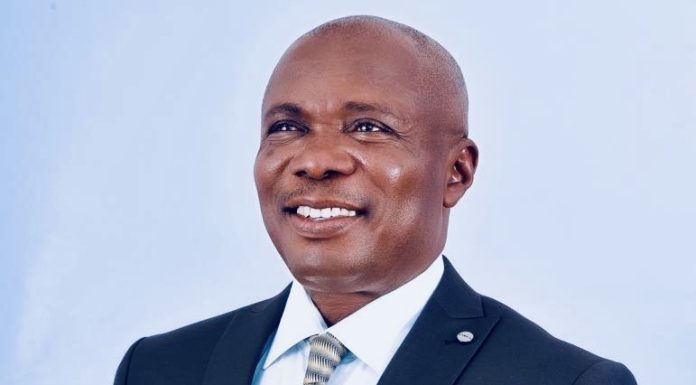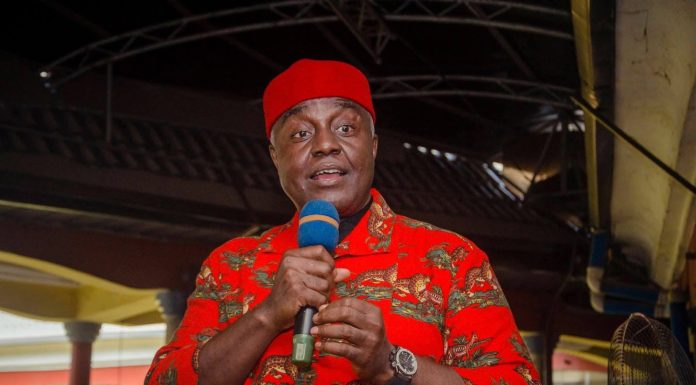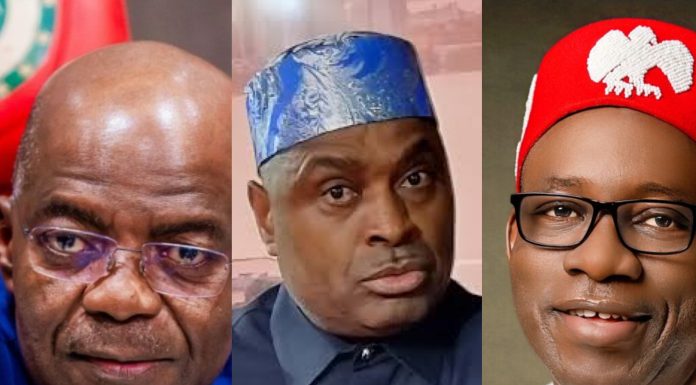



A faction within Nigeria’s Labour Party has declared that Barrister Julius Abure will remain the party’s National Chairman until 2028, a move that further underscores the deepening leadership crisis rocking the opposition platform. The announcement, reported by ABN TV, comes amid persistent internal disputes and competing claims to the party’s national leadership.
The faction maintained that Abure’s tenure remains valid based on party constitutional provisions and decisions reached during recognized conventions and National Executive Council meetings. According to party loyalists aligned with the chairman, attempts by rival groups to challenge his authority lack both procedural legitimacy and legal backing.
Party officials supporting Abure argued that stability within the Labour Party is essential as Nigeria’s political landscape gradually shifts toward preparations for future electoral contests. They emphasized that continuity in leadership would strengthen organizational structure, improve grassroots mobilization, and help consolidate gains made during recent national elections.
However, opposing factions within the party continue to dispute Abure’s leadership, insisting that internal processes were flawed and calling for fresh leadership arrangements. The disagreement has resulted in parallel statements, legal battles, and competing claims over the party’s authentic national hierarchy, creating uncertainty among members and supporters nationwide.
Political analysts warn that prolonged leadership disputes could weaken the Labour Party’s credibility as a viable opposition force. Since rising to national prominence following increased electoral visibility in recent years, the party has struggled to maintain unity, with internal divisions threatening to overshadow policy positioning and long-term political strategy.
Observers note that unless reconciliation efforts succeed, the ongoing crisis may affect party cohesion ahead of future elections. For many stakeholders, resolving the leadership question remains critical to preserving the Labour Party’s momentum and sustaining public confidence in its role within Nigeria’s evolving democratic space.
Stay informed and ahead of the curve! Follow The National Concord Blog Newsletter for real-time updates, breaking news, and exclusive content. Don't miss a headline – join now below!