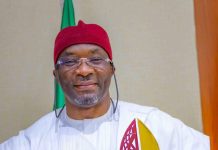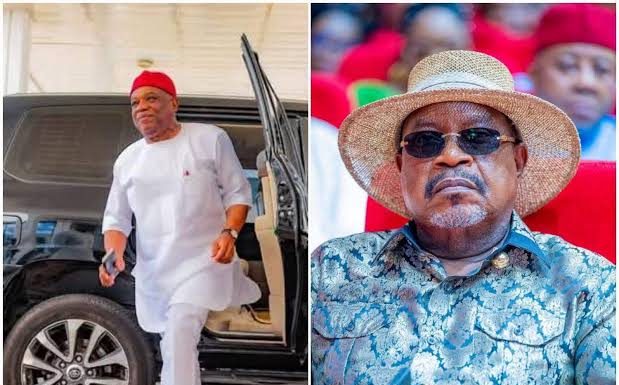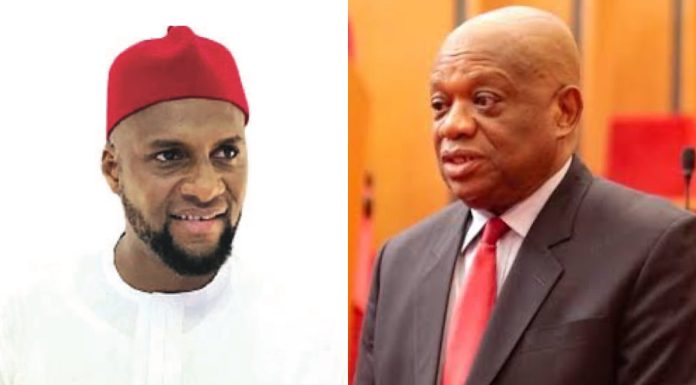


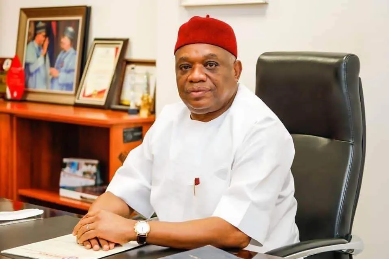
Senator Orji Uzor Kalu has urged President Bola Ahmed Tinubu to consider granting pardons to Nigerians convicted of looting public funds.
Kalu made the call while speaking on the country’s political and economic situation, arguing that Nigeria may need to consider reconciliation alongside its fight against corruption.
The former Abia State governor’s comments are likely to generate debate, particularly as successive Nigerian administrations have continued to make the fight against corruption a major policy priority.
Kalu Calls for a Different Approach
According to Kalu, the government should consider whether continued punishment of individuals convicted of corruption-related offences is the best approach for the country.
He suggested that a pardon could provide an opportunity for reconciliation and allow those involved to contribute to Nigeria’s development.
The proposal comes amid continued public concern over the recovery of funds and assets allegedly acquired through corruption.
Nigeria’s Long-Running Fight Against Corruption
Corruption has remained one of Nigeria’s most persistent political and economic challenges.
The Economic and Financial Crimes Commission (EFCC) has continued to investigate corruption cases and recover assets linked to alleged financial crimes. Recent recoveries have included properties, cash and other valuable assets.
However, concerns about selective prosecution, lengthy court cases and the recovery of public funds have continued to fuel debate about the effectiveness of Nigeria’s anti-corruption campaign.
A Controversial Proposal
Kalu’s call for pardons is likely to attract different reactions from Nigerians.
Supporters could argue that forgiveness and reconciliation may help the country move forward, while critics may contend that pardoning people convicted of stealing public resources could weaken efforts to deter corruption.
The debate also raises a broader question about how Nigeria should balance accountability, justice and reconciliation when dealing with corruption cases.
What Could a Pardon Mean?
A presidential pardon can have significant political and legal implications, particularly when it involves individuals convicted of offences involving public funds.
For many Nigerians, the priority remains recovering allegedly stolen resources and ensuring that public officials are held accountable for their actions.
Kalu’s proposal therefore places the issue of presidential pardons back into the national conversation and could trigger further debate among political leaders, civil society groups and the wider public.
The Debate Continues
While Kalu has presented his position as a possible way forward, any decision on pardons would ultimately rest with the appropriate constitutional authorities.
For now, his comments have added another dimension to Nigeria’s ongoing conversation about corruption, justice and the management of public resources.
The debate is unlikely to end soon, particularly as the government continues its efforts to recover assets and prosecute financial crimes.
Stay informed and ahead of the curve! Follow The National Concord Blog Newsletter for real-time updates, breaking news, and exclusive content. Don't miss a headline – join now below!