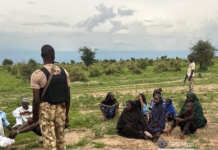



Bello Turji, one of Nigeria’s most infamous bandit leaders, has entered yet another peace deal with authorities in Zamfara State, a region plagued by years of deadly raids, kidnappings, and cattle theft.
Turji, 31, a former herder feared for his brutal killings and taunting videos, agreed last month to halt attacks in Shinkafi district after three meetings with Muslim clerics in his Fakai village stronghold. The negotiations, confirmed by Salafi cleric Musa Yusuf Asadus-Sunnah, involved four other bandit leaders and secured the release of 32 hostages and the surrender of some weapons.
Under the deal, Turji promised to end raids, kidnappings, and cattle rustling in exchange for an end to vigilante attacks on his Fulani kinsmen. Since then, residents have cautiously resumed farming in forests near his hideouts, and no attacks have been recorded in the area, clerics say.
Nigeria’s northwest has suffered years of violence rooted in farmer-herder conflicts worsened by climate change. Many bandit groups, heavily drawn from Fulani herders, have turned the crisis into a lucrative enterprise, imposing taxes, stealing livestock, and demanding ransoms in areas with little government presence.
While peace deals have become a common strategy when military efforts fail, they often collapse. Turji himself has broken past agreements, resuming attacks or shifting operations to other states. Analysts warn he may be using this truce to regroup after suffering losses to vigilantes and being forced to flee a military raid.
Critics argue that such deals let bandits keep their weapons and create safe havens while violence shifts elsewhere. In Kaduna State, a similar 2024 accord brought calm to one district but fueled attacks in neighbouring areas.
Underlying issues like poverty, farmer-herder disputes, weak governance, and impunity remain unresolved. Security analyst Mannir Fura-Girke says banditry is now too profitable for gangs to abandon: “These peace deals are survival tactics, not solutions.”
Stay informed and ahead of the curve! Follow The National Concord Blog Newsletter for real-time updates, breaking news, and exclusive content. Don't miss a headline – join now below!