


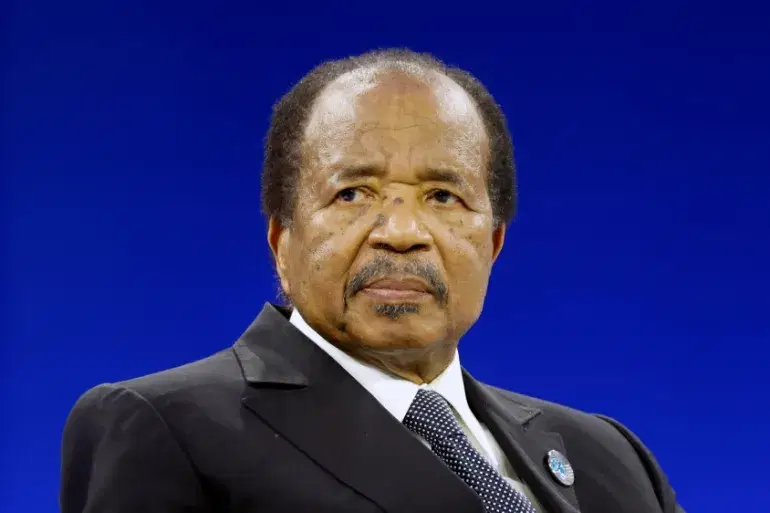
Cameroon is witnessing renewed political debate following the prolonged absence of President Paul Biya, who has spent 48 consecutive days outside the country.
The 93-year-old leader, who has governed Cameroon for more than four decades, reportedly left the country on June 7 for what officials described as a short private stay in Europe. However, his extended stay in Switzerland has raised fresh concerns among opposition figures, political analysts, and citizens over the functioning of government in his absence.
Opposition leaders argue that the president’s prolonged absence highlights an institutional vacuum and underscores the need for greater transparency regarding the health and capacity of the country’s leadership. Some have also called for constitutional mechanisms to clearly address situations involving the temporary or permanent incapacity of a sitting president.
Government officials have rejected claims of a leadership vacuum, insisting that President Biya continues to oversee state affairs remotely through official communications with his aides and senior government officials. Authorities maintain that the affairs of government are proceeding normally despite his absence.
The situation has reignited discussions about succession planning and governance in Cameroon, where Biya has remained in power since 1982 and is currently the world’s oldest serving head of state. His previous extended stays abroad have similarly fueled public speculation and criticism over government accountability and responsiveness.
As political attention intensifies, many Cameroonians continue to watch closely for official updates on the president’s return and the broader implications for the country’s leadership.
Stay informed and ahead of the curve! Follow The National Concord Blog Newsletter for real-time updates, breaking news, and exclusive content. Don't miss a headline – join now below!









I get pleasure from, result in I found just what I was taking a look for.
You have ended my 4 day lengthy hunt! God Bless you
man. Have a great day. Bye xnxx