

The World Health Organisation (WHO) has recommended an urgent clinical trial of an Ebola vaccine in the Democratic Republic of Congo (DRC) as the deadly outbreak continues to spread across the country’s eastern region.
The WHO Technical Advisory Group on Vaccine Research recommended a trial to evaluate the effectiveness of Ervebo, the only currently licensed Ebola vaccine, against the Bundibugyo virus, the strain responsible for the ongoing outbreak.
The global health organisation said it was working with partners to begin the trial as quickly as possible.
Ebola Cases Surpass 4,000
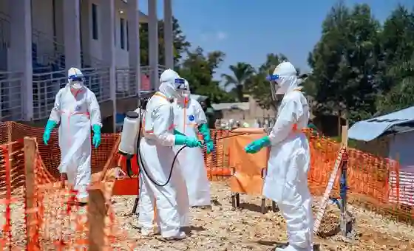
The outbreak has continued to worsen in eastern DRC, with total reported cases now exceeding 4,000 and about 1,850 deaths recorded.
The crisis has also taken a heavy toll on children. According to figures cited by the United Nations, more than 300 children have died from Ebola since the outbreak began.
Beyond the direct loss of lives, the outbreak is putting additional pressure on an already fragile healthcare system.
Fear of contracting the virus has caused many people to avoid health facilities, with the use of essential health services in the worst-affected areas falling by more than 40 per cent in recent months.
Pregnant Women Among Those at Risk
The outbreak is also having devastating consequences for pregnant women in affected communities.
According to the UN Population Fund, maternal deaths in Ituri Province have nearly doubled since the outbreak began, with approximately six women reportedly dying every week from complications related to childbirth.
Ebola infection during pregnancy is also associated with an extremely high risk of fetal loss, making access to safe maternal healthcare particularly urgent during the outbreak.
WHO Calls for Stronger Community Response
During a recent visit to Ituri, considered the epicentre of the outbreak, the WHO called for an urgent expansion of community-led measures to contain transmission.
The organisation is pushing for stronger disease surveillance, early detection, contact tracing and improved access to treatment.
The response also includes a major public awareness campaign aimed at countering fear, misinformation and misconceptions surrounding Ebola.
More than 13,000 community workers have reportedly been deployed by the DRC Ministry of Public Health, WHO, Africa Centres for Disease Control and Prevention, UNICEF and other partners.
The workers have reached more than 2.4 million people with information on Ebola prevention and early detection and have conducted more than 500,000 household visits.
Vaccine Trial Could Strengthen Ebola Response
The proposed Ervebo trial could provide important scientific evidence on whether the licensed vaccine can offer protection against the Bundibugyo virus.
The vaccine has been used in previous Ebola outbreaks, but the current situation presents a different challenge because the outbreak is linked to the Bundibugyo strain.
The WHO’s recommendation therefore represents an effort to strengthen the scientific response while simultaneously expanding conventional outbreak-control measures.
Health authorities and international partners are under pressure to move quickly as transmission continues and the humanitarian consequences deepen.
With thousands of cases, hundreds of children among the dead and essential healthcare services disrupted, the DRC faces a major public health emergency.
The WHO said it would continue working with national authorities and partners to support the response and accelerate preparations for the recommended vaccine trial.
The development comes as health officials seek to contain the outbreak while protecting vulnerable populations and preventing further spread within affected communities and beyond.
Stay informed and ahead of the curve! Follow The National Concord Blog Newsletter for real-time updates, breaking news, and exclusive content. Don't miss a headline – join now below!