


No fewer than 19 members of the National Assembly have defected to the Nigeria Democratic Congress (NDC), citing unresolved internal crises within their former parties as political realignments intensify ahead of the 2027 general elections.
The wave of defections, largely from the African Democratic Congress (ADC), has significantly boosted the NDC’s presence in the legislature, positioning it as an emerging force in Nigeria’s political landscape.
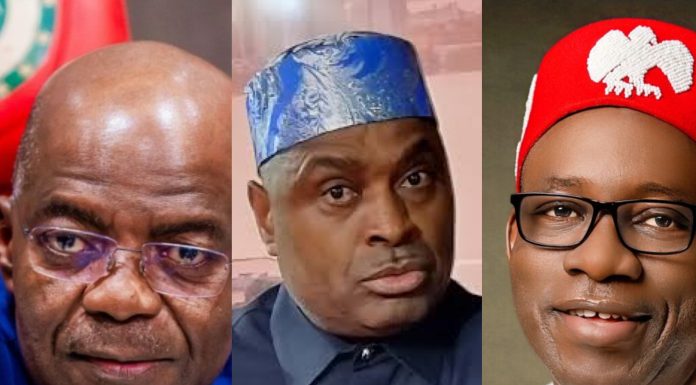
In the Senate, notable defections include Victor Umeh and Rufai Hanga, who joined the NDC from ADC and the New Nigeria Peoples Party (NNPP), respectively. Their move increases the party’s representation in the upper chamber to three senators, alongside Seriake Dickson.
In the House of Representatives, at least 18 lawmakers announced their exit from the ADC, with 17 aligning with the NDC and one moving to the All Progressives Congress (APC).
The defecting lawmakers attributed their decisions to persistent leadership disputes and internal instability within their former parties, describing the situation as detrimental to effective legislative work and political progress.
The latest development has altered the composition of the National Assembly, with the NDC overtaking the ADC in the House of Representatives and emerging as a growing opposition bloc trailing behind the Peoples Democratic Party (PDP).
Senate President Godswill Akpabio also weighed in on the situation, suggesting that the scale of defections reflects deepening instability within affected parties, particularly the ADC.
Political observers say the mass movement underscores increasing volatility within Nigeria’s party system, as politicians reposition ahead of the 2027 elections in search of more stable and viable platforms.
Stay informed and ahead of the curve! Follow The National Concord Blog Newsletter for real-time updates, breaking news, and exclusive content. Don't miss a headline – join now below!