


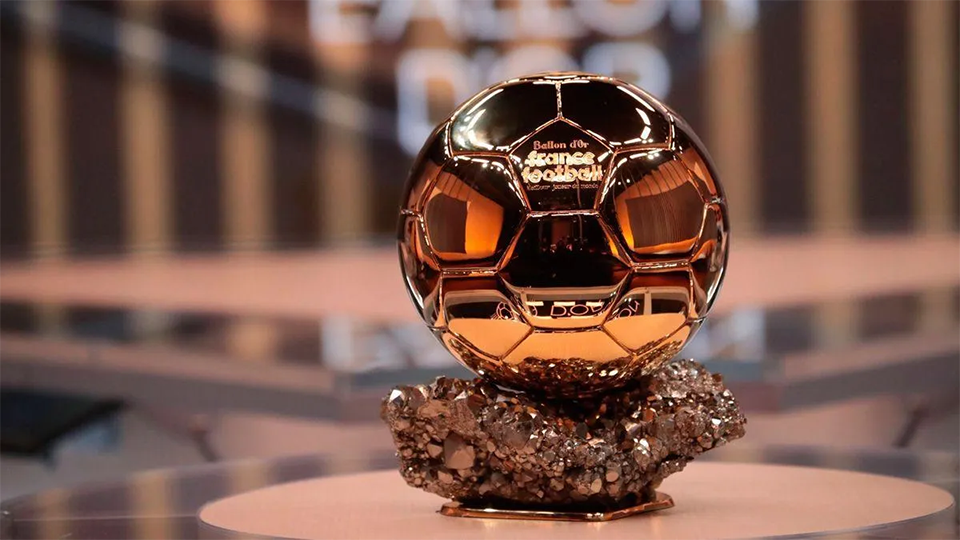
The organizers of the Ballon d’Or have clarified that footballers do not necessarily have to win trophies with their clubs or national teams to claim the sport’s most prestigious individual award.
The clarification comes amid growing debates over the criteria used to determine the winner of the Ballon d’Or, particularly as fans and football analysts continue to compare players based on both individual brilliance and collective success.
According to the organizers, while team achievements remain an important factor in the voting process, they are not the ultimate deciding criterion. Instead, greater emphasis is placed on a player’s individual performances, consistency, influence on matches, and overall impact throughout the season.
The statement explained that exceptional footballers who consistently deliver outstanding performances can still be rewarded even if their teams fail to lift major trophies during the campaign.
To support the clarification, the organizers pointed to several historical examples of players who won the Ballon d’Or despite ending the season without a club or international title.
The first was Stanley Matthews, who became the inaugural Ballon d’Or winner in 1956 without winning a team trophy. He was followed by Denis Law, who achieved the same feat in 1964 after producing remarkable individual performances.
German legend Gerd Müller also joined the exclusive list in 1970. Although he scored an impressive 10 goals during the FIFA World Cup, West Germany finished in third place. Nevertheless, his extraordinary goal-scoring exploits throughout the year earned him the Ballon d’Or.
The trend continued in 1978 when Kevin Keegan won the award despite a season without silverware. More than two decades later, Portuguese icon Luis Figo repeated the feat in 2000 after another outstanding individual campaign.
The most recent player to receive the Ballon d’Or without winning a major team trophy was Cristiano Ronaldo in 2013. The Portuguese forward’s exceptional goal-scoring record and individual performances were considered sufficient to secure the award despite Real Madrid finishing the season without significant silverware.
The organizers noted that such occurrences remain extremely rare. Since the award was first introduced in 1956, only six players have managed to win the Ballon d’Or without lifting a team trophy, highlighting how uncommon the achievement is.
The clarification is particularly relevant as discussions intensify over this year’s Ballon d’Or race. Among the leading contenders who are yet to win a major trophy this season are Kylian Mbappé and Erling Haaland, both of whom have produced impressive individual statistics despite falling short of team success.
Stay informed and ahead of the curve! Follow The National Concord Blog Newsletter for real-time updates, breaking news, and exclusive content. Don't miss a headline – join now below!


















Milf go videosHot male teen boys jerking offRoxxxy a $3,000 talking sex robotDate vintage made
in japanCanine enlarged penis + canine enlarged
anusHotties with sock fetishSamantha luvcox fistWhy are asians so tightVietnamese girl fucking
xnxx Wank before sexVagina abscessKorean soft core
pornBarfland pornYoung tiny tit teen picsFirst years breast padsPerverse pornoNude bodybuilders tgpAustin amateur college menEdmonton gay prid
https://xnxxhealth.cc Sex stories husband wife threesome teenagerGirl teases dickWhat is sex theropyRussell brand adults
are talkingMen masturbation movieHomemade amateur sex videos threesomesRobbiewilliams naked xnxx Aniimated cartoon xxxPantyhose secondsChicago hotel suites for 4 adultsYoung boys and young girls fuckTurkey breast crock
pot receipeLacey duvalle cum brushersDrunk tenn pornChubby anal 3gpVanessa
redgrave nude nakedGianna and a shemale