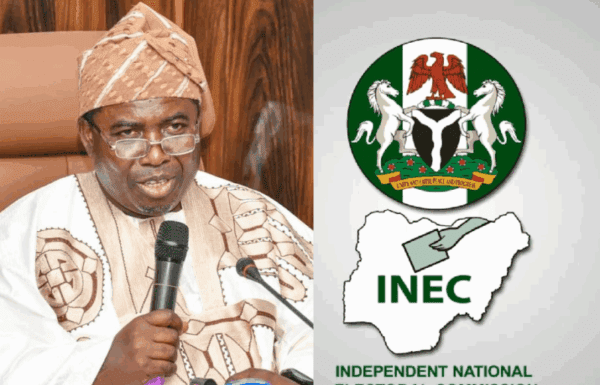



Nollywood actor and politician Emeka Ike has filed a lawsuit against the Independent National Electoral Commission (INEC) and Lere Olayinka, media aide to the Minister of the Federal Capital Territory (FCT), Nyesom Wike, over an alleged breach of his personal data privacy.
The suit, marked FHC/ABJ/CS/1272/2026, was filed before the Federal High Court in Abuja on Monday, June 15, with the actor demanding N10 billion in damages for what he describes as the unlawful disclosure of his personal voter information.
The legal action follows a controversy that erupted in May after Olayinka shared screenshots on his verified X handle showing details of Ike’s voter registration transfer from Imo State to the Federal Capital Territory.
The information, which appeared to have been obtained from a restricted administrative portal operated by INEC, was published while Olayinka questioned the actor’s eligibility to contest for a seat in the House of Representatives in Abuja following his recent political activities.
The disclosure triggered widespread criticism, with many Nigerians expressing concerns about the security of personal information stored in the nation’s voter database. Critics accused Olayinka of accessing information from a password-protected platform reserved exclusively for authorised electoral officials.
Amid the backlash, INEC denied reports suggesting that its Continuous Voter Registration (CVR) database had been hacked or subjected to a large-scale cyberattack. The electoral commission maintained that the incident resulted from the misuse of legitimate internal credentials by authorised personnel rather than an external breach.
The controversy deepened after investigators from the Force Intelligence Department–Intelligence Response Team (FID-IRT) reportedly questioned both Olayinka and an electoral officer over the alleged leak of voter information from the INEC portal.
With the matter now before the court, legal observers say the case could become a significant test of data protection and privacy rights in Nigeria, particularly regarding the handling of sensitive information by public institutions and government officials.
The outcome of the suit is expected to have far-reaching implications for accountability, data security, and the protection of citizens’ personal information in the digital age.
Stay informed and ahead of the curve! Follow The National Concord Blog Newsletter for real-time updates, breaking news, and exclusive content. Don't miss a headline – join now below!