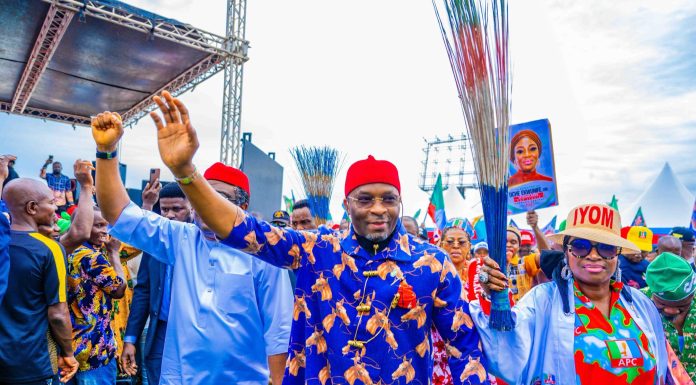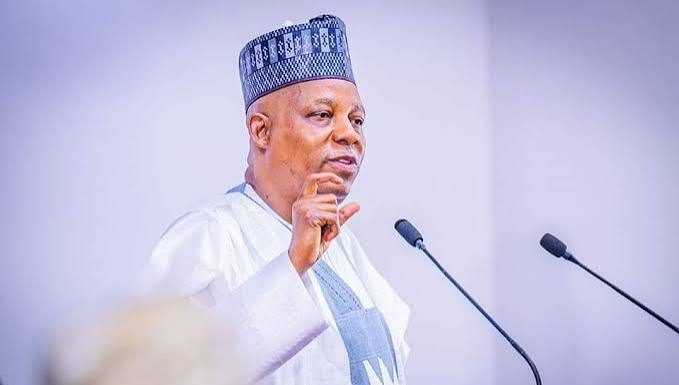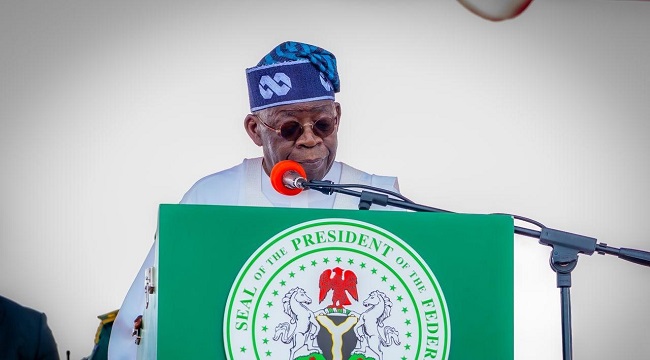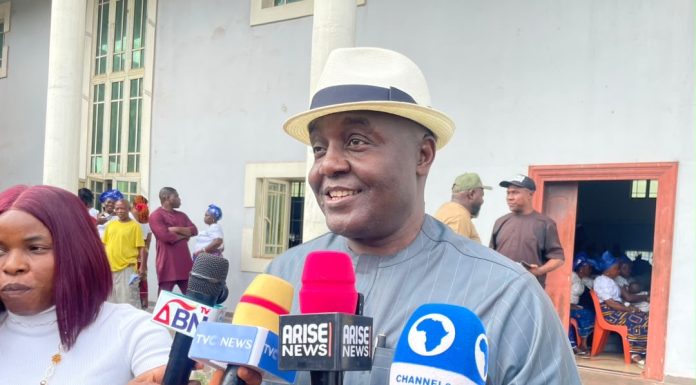



Nigeria’s fragile security environment has once again come under scrutiny following reports that gunmen allegedly attacked a convoy associated with Peter Obi, the Labour Party’s 2023 presidential candidate, alongside former All Progressives Congress chairman John Oyegun. According to emerging accounts circulating online and reported by local media, the incident was said to have occurred during a political movement involving the two prominent figures, sparking widespread concern among supporters and observers across the country.
Initial reports indicated that unidentified armed men opened fire near the convoy, creating panic and confusion before security operatives reportedly intervened. While full official confirmation remained limited at the time of reporting, videos and eyewitness claims quickly spread across social media platforms, intensifying public debate about political safety and the persistent threat posed by armed groups. The situation was described as tense but contained, with no confirmed fatalities immediately disclosed.
The reported attack has since been viewed not merely as an isolated event but as part of a broader pattern of insecurity affecting political activities in Nigeria. Analysts noted that incidents targeting high-profile figures often generate heightened anxiety among citizens already concerned about kidnappings, banditry, and politically motivated violence in several regions of the country.
Political Reactions and National Implications
Although detailed official statements were still awaited, political stakeholders and civil society voices were quick to condemn the reported attack, emphasizing the need for stronger protection mechanisms for public figures and citizens alike. The alleged targeting of leaders from different political backgrounds was interpreted by observers as a troubling sign that insecurity continues to transcend party lines.
For supporters of Obi, the incident reinforced longstanding fears about the safety of opposition figures in Nigeria’s evolving democratic space. Obi, a former governor of Anambra State known for advocating governance reforms and economic accountability, has remained an influential voice in national discourse since the 2023 elections. His continued nationwide engagements have attracted large crowds, increasing both visibility and potential security risks.
Security experts suggested that such developments, whether confirmed attacks or credible threats, often carry symbolic implications beyond immediate physical danger. Political violence or perceived intimidation can discourage participation in democratic processes and weaken public confidence in institutional protection. Consequently, calls were made for federal and state authorities to conduct transparent investigations capable of reassuring the public.
Growing Concerns Over Political Safety
Nigeria’s political environment has increasingly been shaped by security challenges that affect campaigns, public gatherings, and inter-party engagements. Observers noted that attacks or threats involving political actors tend to resonate strongly because they highlight vulnerabilities within national security architecture. Even unverified incidents can influence public perception, particularly in a country where violent crime remains a recurring concern.
The reported incident involving Obi and Oyegun therefore became a focal point for discussions about preventive security measures. Analysts argued that intelligence gathering, convoy protection protocols, and rapid emergency response systems must be strengthened to prevent escalation. It was further emphasized that political competition should never translate into physical risk, as democratic legitimacy depends on safe participation.
Transitional conversations within political circles also highlighted the need for non-partisan security enforcement. Experts stressed that ensuring equal protection for all political actors would help reduce tensions and reinforce trust in democratic institutions. Consequently, the episode was framed as a test of Nigeria’s ability to safeguard political freedoms amid complex internal security pressures.
Public Response and Media Responsibility
Public reaction to the reported attack was largely shaped by digital media circulation, where videos and commentary spread rapidly before comprehensive verification could be completed. While social media amplified awareness, communication experts warned that premature conclusions could deepen misinformation risks. Responsible reporting, they argued, remains essential during evolving security situations.
Media organizations were encouraged to balance urgency with accuracy, ensuring that verified facts guide public understanding. At the same time, the swift public attention demonstrated how politically sensitive incidents continue to capture national interest, reflecting the enduring influence of political personalities in shaping public discourse.
Observers also noted that transparency from authorities would play a decisive role in calming tensions. Clear updates, investigative findings, and accountability measures were described as necessary steps toward preventing speculation and restoring confidence.
A Broader Reflection on Nigeria’s Security Climate
Ultimately, the reported attack involving Peter Obi and John Oyegun has been interpreted as another reminder of Nigeria’s ongoing struggle to reconcile democratic progress with persistent security threats. Whether confirmed as a coordinated assault or clarified through investigation, the incident has reignited conversations about leadership safety, electoral stability, and citizen protection.
Political analysts argued that strengthening institutional responses rather than relying solely on reactive measures will be crucial moving forward. Improved intelligence coordination, community policing strategies, and enhanced infrastructure for crisis response were identified as long-term solutions capable of addressing recurring vulnerabilities.
As investigations continue, the event has underscored a central reality: political stability and national security remain deeply interconnected. Ensuring safe political engagement, observers concluded, will not only protect leaders but also reinforce public trust in Nigeria’s democratic future.
Stay informed and ahead of the curve! Follow The National Concord Blog Newsletter for real-time updates, breaking news, and exclusive content. Don't miss a headline – join now below!