


The Centre for Human Rights Advocacy and Wholesome Society (CEHRAWS) has raised concerns over what it described as deep-rooted fiscal accountability challenges in Abia State, calling for urgent legal, institutional and governance reforms.
The group’s position follows the state’s ranking at the bottom of the 2025 Subnational Audit Efficacy Index, a development it said reflects persistent structural weaknesses in public financial management and transparency systems.
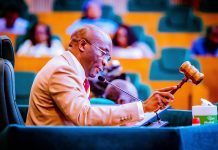
In a statement issued on 7 April, CEHRAWS stressed that the Office of the Auditor-General, as provided under relevant constitutional provisions, remains central to ensuring accountability in the management of public funds. It warned that any limitations financial or administrative on the office could undermine democratic governance.
The organisation also cited existing legal frameworks, including public procurement regulations and the Freedom of Information Act, noting that they impose clear obligations on government to promote transparency, open contracting and public access to information.
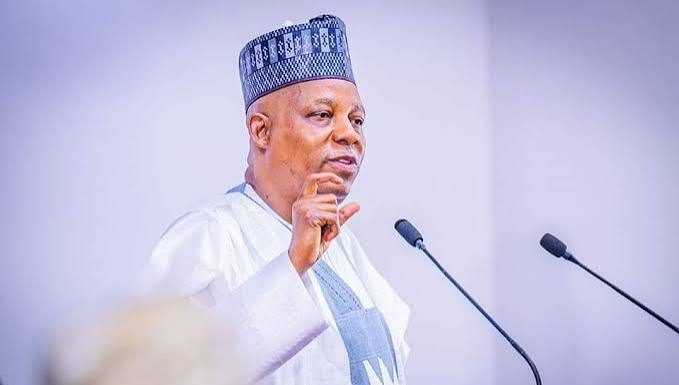
Despite its concerns, CEHRAWS acknowledged ongoing efforts by the administration of Governor Alex Otti, particularly in infrastructure development and public service reforms. It highlighted projects such as road rehabilitation in Aba and Umuahia, improved sanitation initiatives and steps toward civil service restructuring as evidence of a responsive government.
However, the group maintained that visible development must be matched with strong institutional accountability, warning that fiscal opacity could erode public trust and weaken the long-term impact of such initiatives.
CEHRAWS also expressed concern over the state’s failure to fully adopt the Open Government Partnership framework, describing it as a missed opportunity to enhance transparency, citizen participation and investor confidence.
According to the group, failure to address these gaps could expose the state to increased corruption risks, reduced efficiency in public spending and diminished oversight capacity.
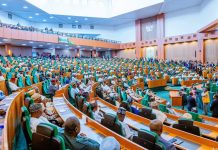
It therefore called for comprehensive reforms, including full autonomy for audit institutions, proactive publication of financial data, stronger legislative oversight, effective implementation of audit recommendations and the adoption of open contracting systems.
The organisation concluded that Abia stands at a critical juncture, urging authorities to align development efforts with transparency and institutional integrity to build lasting public trust.
Stay informed and ahead of the curve! Follow The National Concord Blog Newsletter for real-time updates, breaking news, and exclusive content. Don't miss a headline – join now below!