


Let me tell you something about leadership that many people often misunderstand.
Leadership is not ultimately measured by the act of giving. It is measured by what happens after the giving.
Anyone can share money. Anyone can stand before cameras, hand over an envelope, pose for photographs and move on to the next event. That is politics as usual.
But what happens when the person who received that opportunity returns months later not to ask for more, but to show you what she built with what you gave her?
That is where this story becomes different.
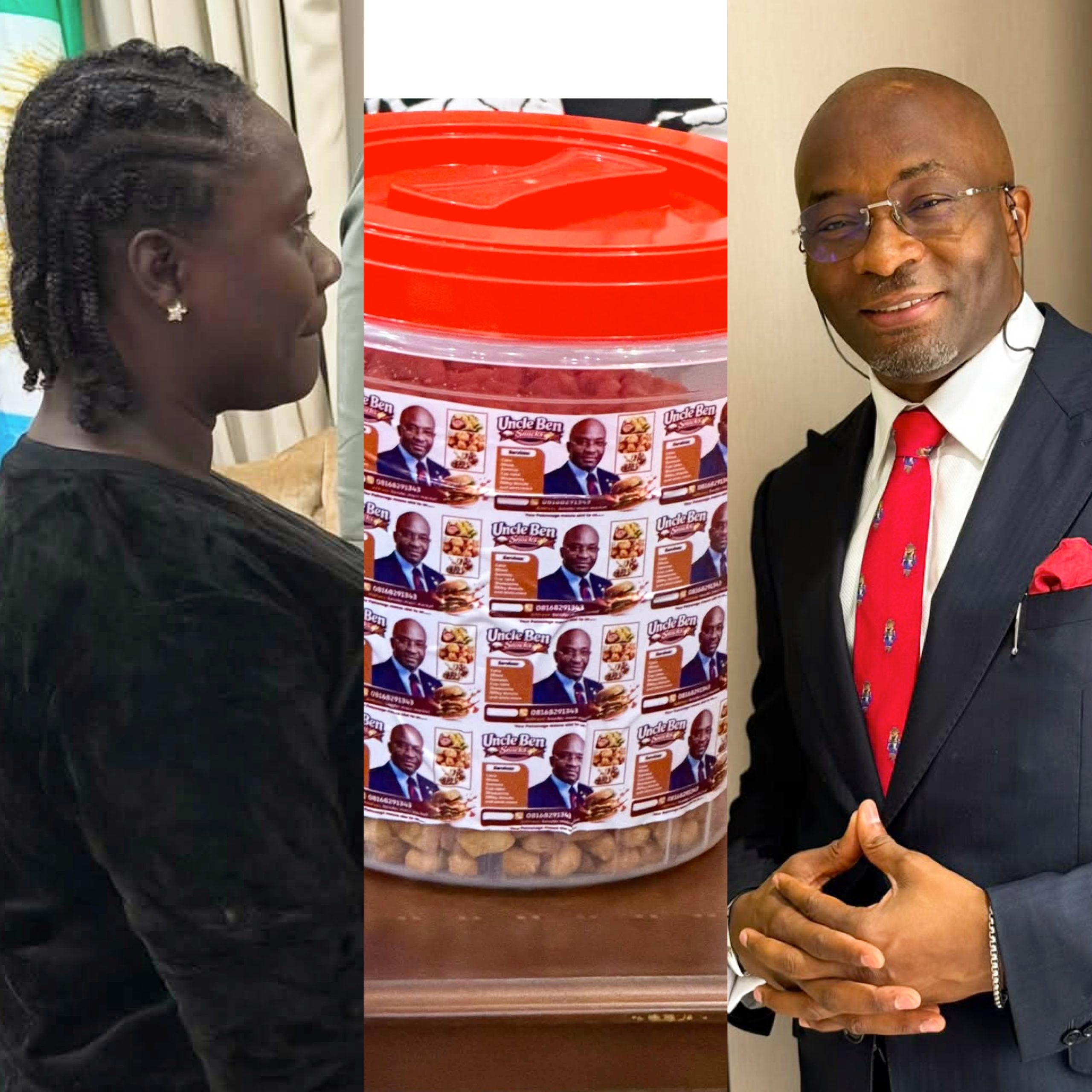
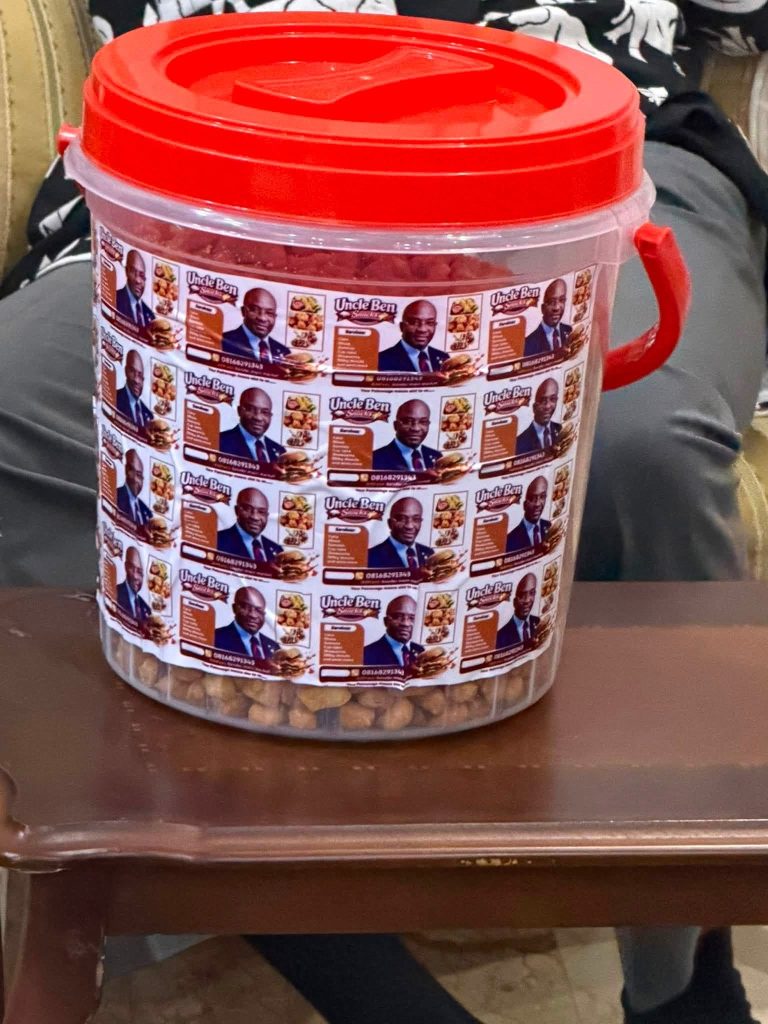
And that is the story of Mary, a young woman from Bende who recently returned to meet Rt. Hon. Benjamin Kalu.
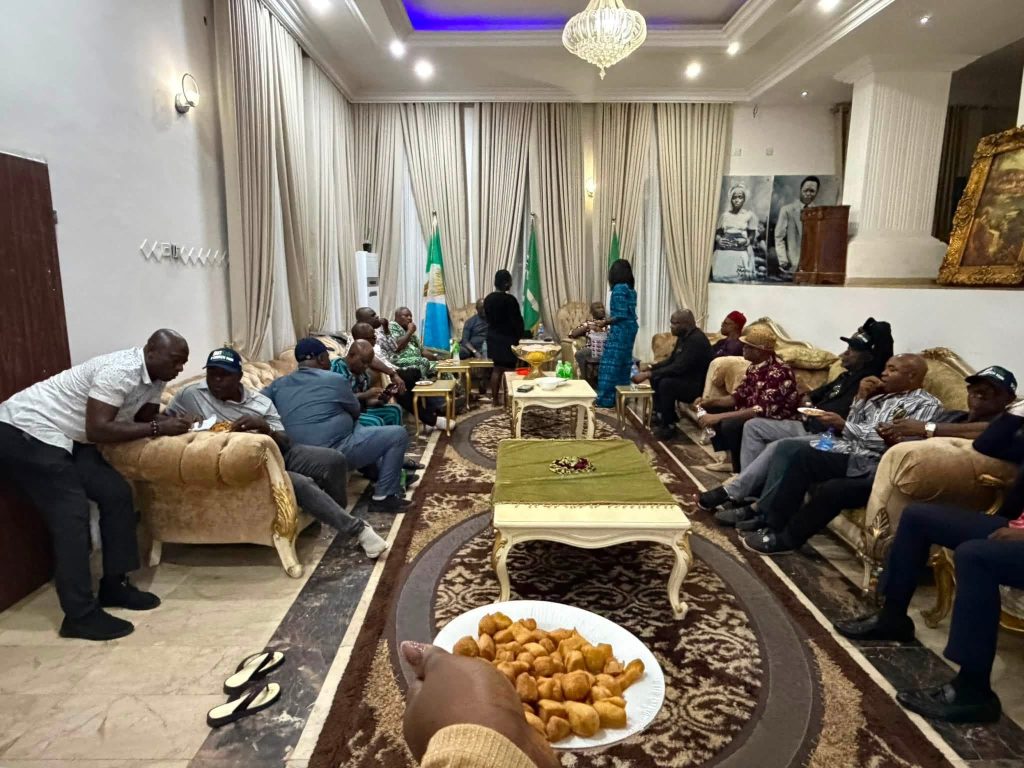
She did not come with a complaint.
She did not come with another request.
She came with evidence.
A business.
A product she had built with her own hands.
And a name that carried a story of gratitude:
Uncle Ben’s Chin-Chin.
Pause for a moment and think about that.
A young woman was given an opportunity. She took it seriously. She invested it, developed a product and built something tangible enough to return to the person who gave her the opportunity and say, in effect, “See what I have done with it.”
That is what makes this story worth telling.
The real headline is intentionality
We talk about “empowerment” too casually in Nigerian politics.
Sometimes the word is used for almost anything, a bag of rice, a grinding machine, an okada, a cash handout or a brief presentation before television cameras.
But empowerment should mean something deeper.
It should create capacity.
It should give a person something with which they can begin building a life that does not depend permanently on another person’s generosity.
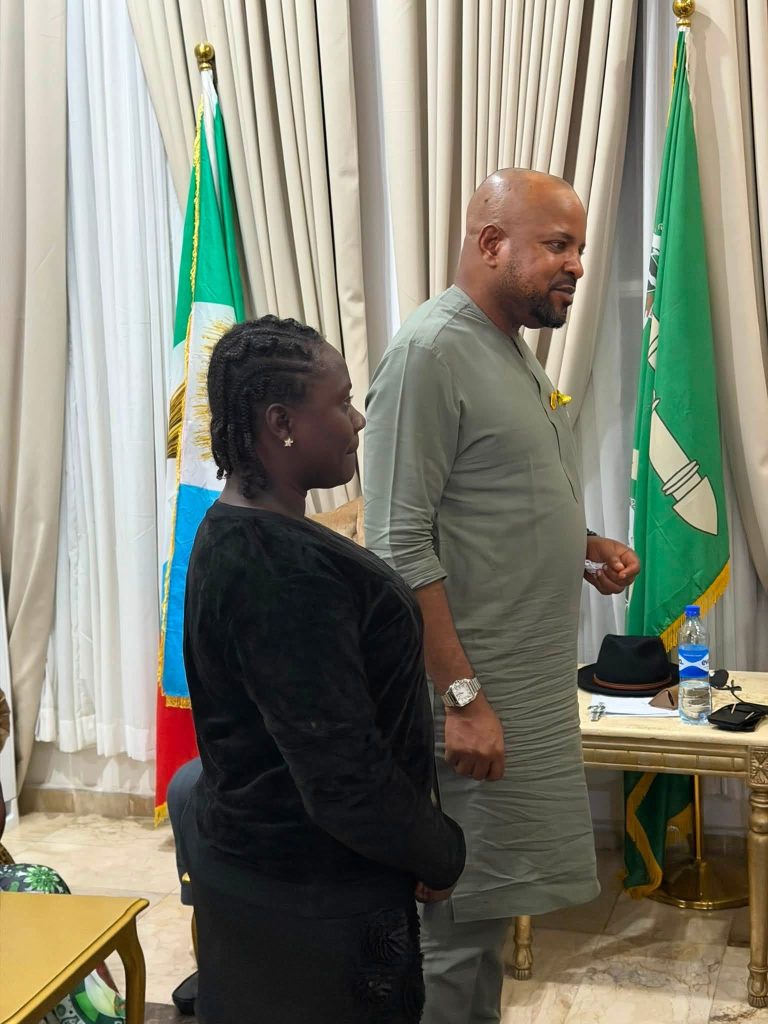
And that appears to be what happened with Mary.
The intervention gave her a starting point. What she did with that starting point was her responsibility.
The result is now visible.
A young woman who could have simply consumed the money has instead converted the opportunity into a product, a brand and the foundation of a business.
That is where the story moves beyond politics.
Ben Kalu gave the opportunity. Mary built the story.
It is important to give credit where it belongs.
If the reported intervention provided Mary with ₦1 million, that money did not magically become a business.
She had to make decisions.
She had to take risks.
She had to learn.
She had to produce.
She had to sell.
She had to keep going.
And, perhaps most importantly, she had to resist the temptation to see the money as something to spend rather than something to build with.
That is why Mary’s story deserves its own applause.
Because for every young Nigerian who receives an opportunity, there are many others who never get one.
And among those who do, not every opportunity becomes a business.
Some disappear into immediate consumption.
Some are swallowed by emergencies.
Some simply lose direction.
Mary chose differently.
She turned money into skill, skill into a product, and a product into a business.
That is character.
Why “Uncle Ben’s Chin-Chin” matters
Even the name of the product tells part of the story.
Uncle Ben’s Chin-Chin is more than a business name in this context.
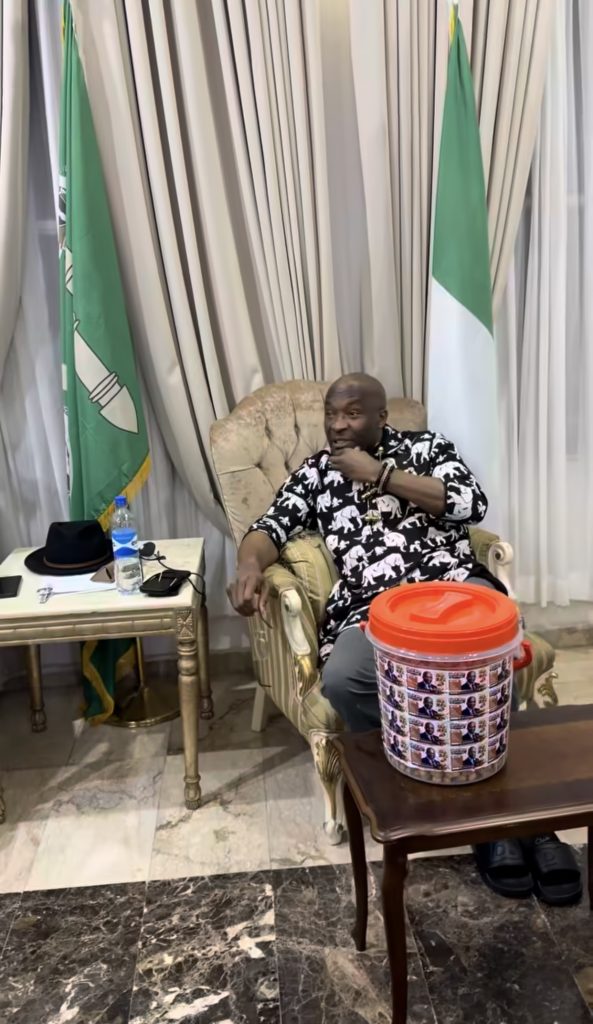
It represents a beneficiary who chose to remember the person she believes gave her the opportunity to begin.
Whether one sees the name as gratitude, inspiration or smart branding, the message is clear: the intervention left an impression.
And perhaps that is one of the most overlooked aspects of effective empowerment.
People don’t only need resources.
They need to believe that somebody believes in them.
When a young person feels trusted, that trust can become a powerful motivation to prove that the confidence placed in them was not misplaced.
Empowerment should not end at distribution
This is where Nigerian political leadership needs to rethink the meaning of empowerment.
The photograph of a politician handing over equipment or cash should not be the final chapter.
It should be Chapter One.
The real question should come later:
What happened to the beneficiary?
Did the business survive?
How many people were employed?
Did the beneficiary acquire new skills?
Did the intervention create another opportunity?
Did the young person become capable of helping someone else?
Those are the questions that should define empowerment programmes.
Because the greatest success story is not the number of people who received something.
It is the number of people who no longer need to receive something because they have become productive enough to stand on their own.
And then there is Mary
Mary deserves special recognition because she understood something fundamental:
An opportunity is not a destination. It is a starting point.
She could have consumed the ₦1 million.
Instead, she invested it in herself.
She could have waited for another intervention.
Instead, she created something.
She could have simply said thank you.
Instead, she returned with a product.
That distinction matters.
Because leadership may open a door, but someone still has to walk through it.
Ben Kalu may have provided the opportunity, but Mary provided the determination.
One gave the seed.
The other cultivated it.
Today, there is something to show for both.
The bigger Bende story
Perhaps this is the kind of empowerment story that deserves to be replicated beyond Bende.
Imagine a system where political interventions are deliberately structured around sustainability.
A young woman receives capital and business training.
A young man receives technical equipment and mentorship.
Another receives funding to establish an agricultural enterprise.
Then, months later, representatives return to check what has become of those interventions.
The successful beneficiaries become employers.
The businesses grow.
More young people are trained.
More families earn incomes.
And the cycle continues.
That is how empowerment becomes development.
Salute to both sides
So today, it is only right to salute both sides of this story.
To Rt. Hon. Benjamin Kalu for recognising that empowerment should create possibilities beyond the moment of distribution, and for giving a young constituent an opportunity to start something of her own.
And to Mary for proving that the value of an opportunity ultimately depends on what the beneficiary does with it.
Because the most powerful testimony of empowerment is not the photograph taken when the money is handed over.
It is the photograph taken months later, when the beneficiary returns and says:
“Look what I built.”
That is the story behind Uncle Ben’s Chin-Chin.
It is a story about opportunity.
It is a story about trust.
It is a story about responsibility.
And above all, it is a reminder that when the right person receives the right opportunity and refuses to waste it, ₦1 million can become much more than ₦1 million.
It can become a skill.
A business.
A livelihood.
A source of employment.
And perhaps, one day, another young person’s opportunity.
This is the Big Ben and Bende story Nigeria needs more of.
Stay informed and ahead of the curve! Follow The National Concord Blog Newsletter for real-time updates, breaking news, and exclusive content. Don't miss a headline – join now below!

















This is what happens when the people have a good Leader, well done Your Excellency