


Abia State is set to benefit from a $263.8 million integrated infrastructure project jointly funded by the African Development Bank (AfDB), Islamic Development Bank (IsDB), the Federal Government of Nigeria, and the Abia State Government.
The AfDB announced the official launch of the project on July 11, 2025, which aims to modernize urban infrastructure and rehabilitate over 248 kilometres of roads in Umuahia and Aba. It will also address erosion control, waste management, and overall urban mobility.
ALSO READ: Forgotten Classrooms, Forgotten Children: A Cry from Ohanku Ndoki in Ukwa East LGA Abia State
According to the AfDB, the funding breakdown includes $115 million from the bank—$100 million from its ADB window and $15 million from the Canada-AfDB Climate Fund—while the IsDB is contributing $125 million. The Federal Government is providing $23.8 million in counterpart funding.
“This transformative initiative will tackle longstanding infrastructure challenges that have hindered mobility, public health, and economic activity in the state,” the bank said.
The project is expected to create over 3,000 temporary jobs during construction—30% allocated to women—and about 1,000 permanent roles during operation, half of which are reserved for youth trained through the State Youth Road Maintenance Corps.
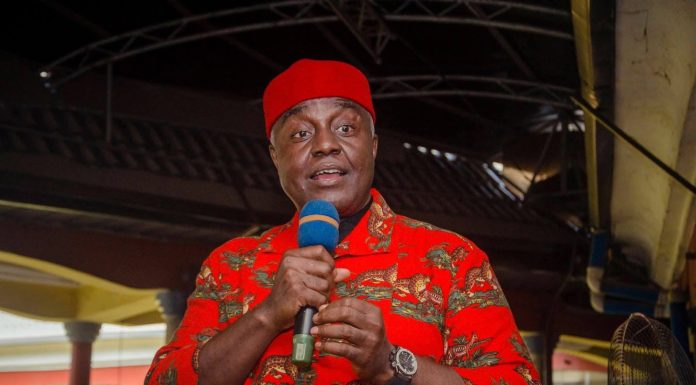
Governor Alex Otti described the project as a turning point for Abia’s development. “Investor confidence is growing, public optimism is rising, and Abia is emerging as a destination of choice,” he said.
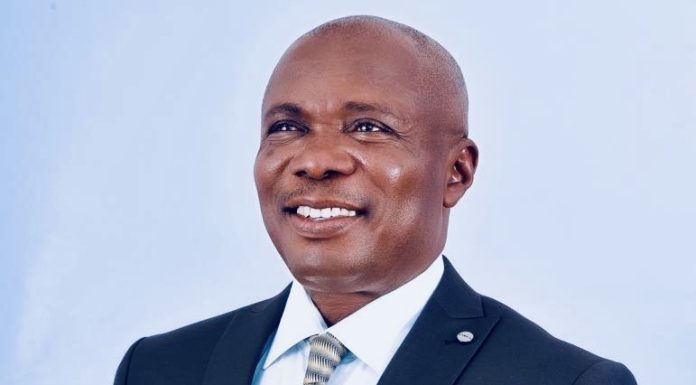
AfDB’s Nigeria Country Director, Dr. Abdul Kamara, emphasized the project’s human-centered impact, noting it would reduce travel time, improve access to schools and hospitals, and empower women and youth entrepreneurs.
The project includes social and environmental safeguards, training programs, and awareness campaigns. Abia’s Commissioner for Works, Otumchere Oti, assured stakeholders of transparent implementation and strong monitoring systems.
AfDB pledged ongoing technical support and supervision through its country and sector teams, reaffirming its commitment to Nigeria’s broader development goals.
Stay informed and ahead of the curve! Follow The National Concord Blog Newsletter for real-time updates, breaking news, and exclusive content. Don't miss a headline – join now below!