


Nigeria’s push toward a cashless economy is facing a significant challenge as cash held outside the banking system climbed to N5.19 trillion in May 2026, according to the latest data released by the Central Bank of Nigeria (CBN).
The figure represents an increase of N109.34 billion from the N5.08 trillion recorded in April and a year-on-year rise of N559.16 billion from May 2025, underscoring Nigerians’ continued reliance on physical cash despite rapid growth in digital payment channels.
CBN statistics show that cash held outside banks accounted for 91.27 percent of the total currency in circulation in May, up from 90.03 percent in April. This means that more than nine out of every ten naira in circulation remain outside the formal banking system.
The development comes as regulators, commercial banks, fintech firms, and payment service providers intensify efforts to encourage electronic transactions through mobile banking, agent banking, QR-code payments, and digital wallets. Despite these initiatives, cash continues to dominate transactions across retail markets, transportation services, rural communities, and segments of the informal economy.
The CBN also reported that total currency in circulation rose to N5.69 trillion in May, reflecting continued growth in cash demand across the economy. At the same time, reserves held by deposit money banks at the apex bank declined from N34.60 trillion in April to N33.76 trillion in May.
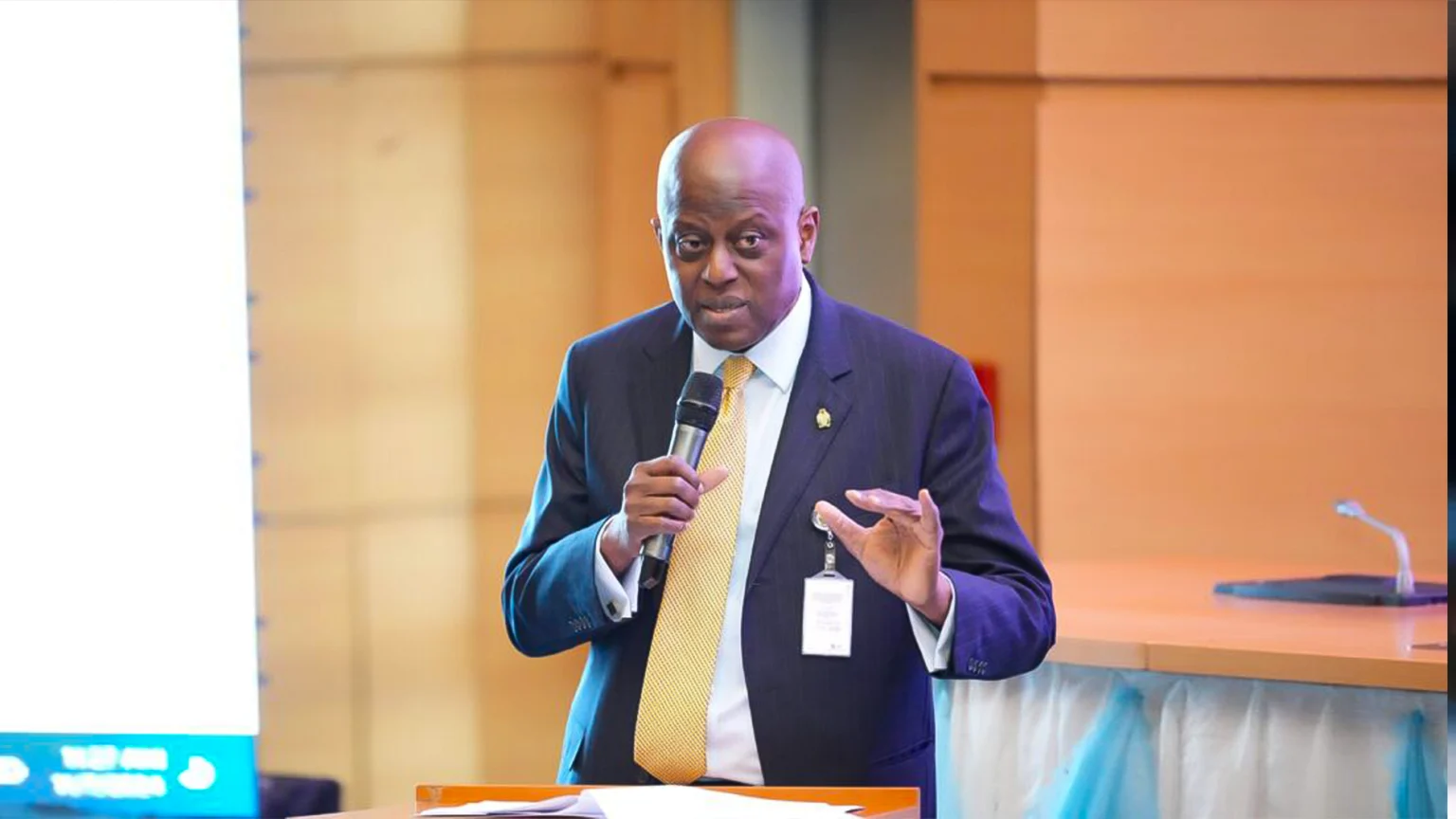
Speaking at the launch of the Nigeria Payment System Vision (PSV) 2028 in Abuja, CBN Governor Olayemi Cardoso reiterated the bank’s commitment to accelerating digital payments and financial inclusion. According to him, the apex bank aims to reduce currency held outside the banking system to below 40 percent of total currency in circulation.
As part of that strategy, the CBN plans to deploy more than 10 million QR-code and tap-to-pay acceptance points across markets, transport hubs, commercial centres, and rural communities nationwide.
Analysts say the latest figures highlight the difficult balancing act facing policymakers. While Nigeria has witnessed remarkable growth in digital payments and fintech adoption in recent years, concerns over transaction charges, network reliability, financial literacy gaps, and the size of the informal sector continue to sustain demand for physical cash.
The rising volume of cash outside the banking system suggests that Nigeria’s transition to a fully digital payments ecosystem may take longer than anticipated, despite the government’s ambitious targets and ongoing investments in payment infrastructure.
Stay informed and ahead of the curve! Follow The National Concord Blog Newsletter for real-time updates, breaking news, and exclusive content. Don't miss a headline – join now below!












Liked the natural conversational tone throughout, never stiff and never overly casual either, and a stop at bondedgrowth kept that comfortable middle ground going, finding a tone that respects the reader without becoming distant or overly familiar is harder than it sounds and this site nails that balance consistently across many different pieces.
Probably this is one of the better quiet successes on the open web at the moment, and a look at bondedlegacyline reinforced that quiet success quality, sites that are doing well without making a noise about doing well are the sites I most respect and this one has clearly chosen the quiet success path consistently throughout.
Looking at the surface design and the substance together this site has both right, and a look at trustconverge reinforced that integrated quality, sites where presentation and content reinforce each other rather than fighting are sites with full editorial coherence and this one has clearly invested in both layers in a balanced way.
Reading more of the archives is now on my plan for the weekend, and a stop at securestrategicalliances confirmed the archive worth the time, the rare archive worth a dedicated reading session rather than just casual sampling is the rare archive of serious work and this site has clearly produced enough of that work to warrant the deeper exploration.
Big thanks to whoever wrote this, you saved me a lot of time hunting for the same info on other sites, and a stop at clicktoadvanceforward only added more useful detail without going off topic, that kind of focus is honestly hard to come across these days when most posts wander everywhere.