
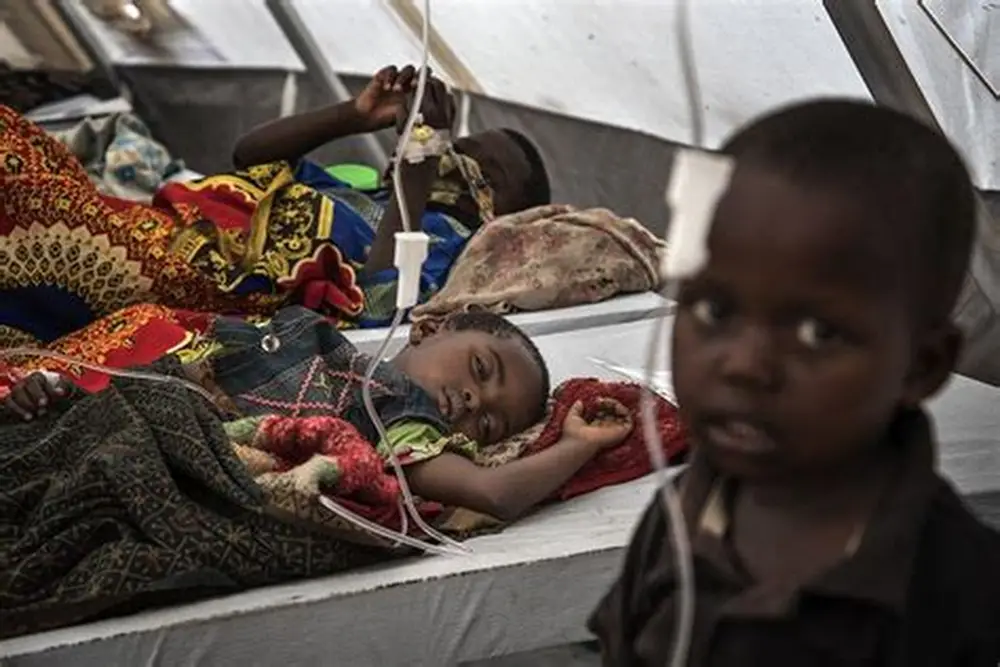
Medical experts and child health advocates have called on the Nigerian government to significantly improve funding and expand health insurance coverage for children battling cancer, warning that thousands of families continue to face devastating financial and emotional burdens due to inadequate healthcare support.
The appeal was made during an outreach programme organised by the Okapi Children Cancer Foundation for children receiving cancer treatment at the Federal Medical Centre (FMC), Jabi, and the National Hospital, Abuja, as part of activities marking the 2026 Children’s Day celebration.
Rising Burden of Childhood Cancer in Nigeria
Healthcare professionals at the event stressed that childhood cancer remains one of the most difficult medical conditions confronting Nigerian families because of the high cost of treatment, prolonged hospitalisation, and emotional trauma associated with cancer care.
Kefas Jibir-Gurama, Head of the Paediatrics Department at FMC Abuja, explained that many children undergoing treatment experience repeated surgeries, painful procedures, and extended hospital stays that often affect their emotional wellbeing and quality of life.
He added that parents and caregivers also suffer severe financial pressure while trying to sustain treatment for affected children.
According to him, many cancer drugs and treatment procedures remain outside the coverage of existing health insurance schemes, leaving families to bear huge out-of-pocket expenses.
Call for Expanded Health Insurance Coverage
Medical experts urged the government to expand the national health insurance system to include comprehensive childhood cancer treatment packages, including:
- Chemotherapy
- Radiotherapy
- Cancer medications
- Diagnostic procedures
- Follow-up care and rehabilitation
They argued that broader insurance coverage would reduce treatment abandonment and improve survival outcomes for children diagnosed with cancer.
Research from several low- and middle-income countries has consistently shown that financial hardship remains one of the leading reasons families discontinue pediatric cancer treatment.
Experts Highlight Lack of Cancer Equipment
Dr. Oyesakin Wunmi, a Chief Consultant Paediatrician, also raised concerns over the limited availability of specialised cancer diagnostic equipment in Nigeria.
She noted that Positron Emission Tomography (PET) scan technology critical for monitoring cancer treatment progress remains extremely scarce nationwide.
According to her, increasing access to cancer diagnostic infrastructure and subsidising chemotherapy drugs would significantly ease the burden on families and improve treatment efficiency.
Early Detection Remains Critical
The experts also emphasized the importance of early diagnosis, warning that many childhood cancer cases in Nigeria are detected too late because of poor awareness, superstition, and delayed hospital visits.
Medical professionals encouraged parents to seek immediate medical attention whenever unusual symptoms or abnormal growths are noticed in children, stressing that early detection dramatically increases survival rates.
Global health data shows that childhood cancer survival rates can exceed 80 percent in high-income countries but remain significantly lower in developing nations where healthcare access and funding are limited.
Okapi Foundation Pushes for Policy Reforms
The Okapi Children Cancer Foundation called for dedicated government policies targeting childhood cancer treatment and support systems.
The organisation stated that many Nigerian families abandon treatment midway because they simply cannot afford the escalating cost of care.
According to the foundation, beyond financial support, children battling cancer also need emotional care, social inclusion, and psychological support to maintain hope during treatment.
The foundation currently supports pediatric cancer patients receiving treatment at:
- National Hospital Abuja
- FMC Jabi
- University of Abuja Teaching Hospital, Gwagwalada
Global Push for Better Pediatric Cancer Care
Globally, health organisations and advocacy groups continue to campaign for stronger investment in pediatric cancer research, affordable treatment, and survivorship care.
The World Health Organization’s Global Childhood Cancer Initiative aims to increase survival rates for children with cancer worldwide while improving access to quality treatment and reducing suffering among affected families.
Stay informed and ahead of the curve! Follow The National Concord Blog Newsletter for real-time updates, breaking news, and exclusive content. Don't miss a headline – join now below!