

The United States Department of State has apologised after displaying an inaccurate map of Africa that misidentified Nigeria and several other African countries during the AIDS 2026 global conference in Rio de Janeiro, Brazil, triggering widespread criticism from delegates and observers.
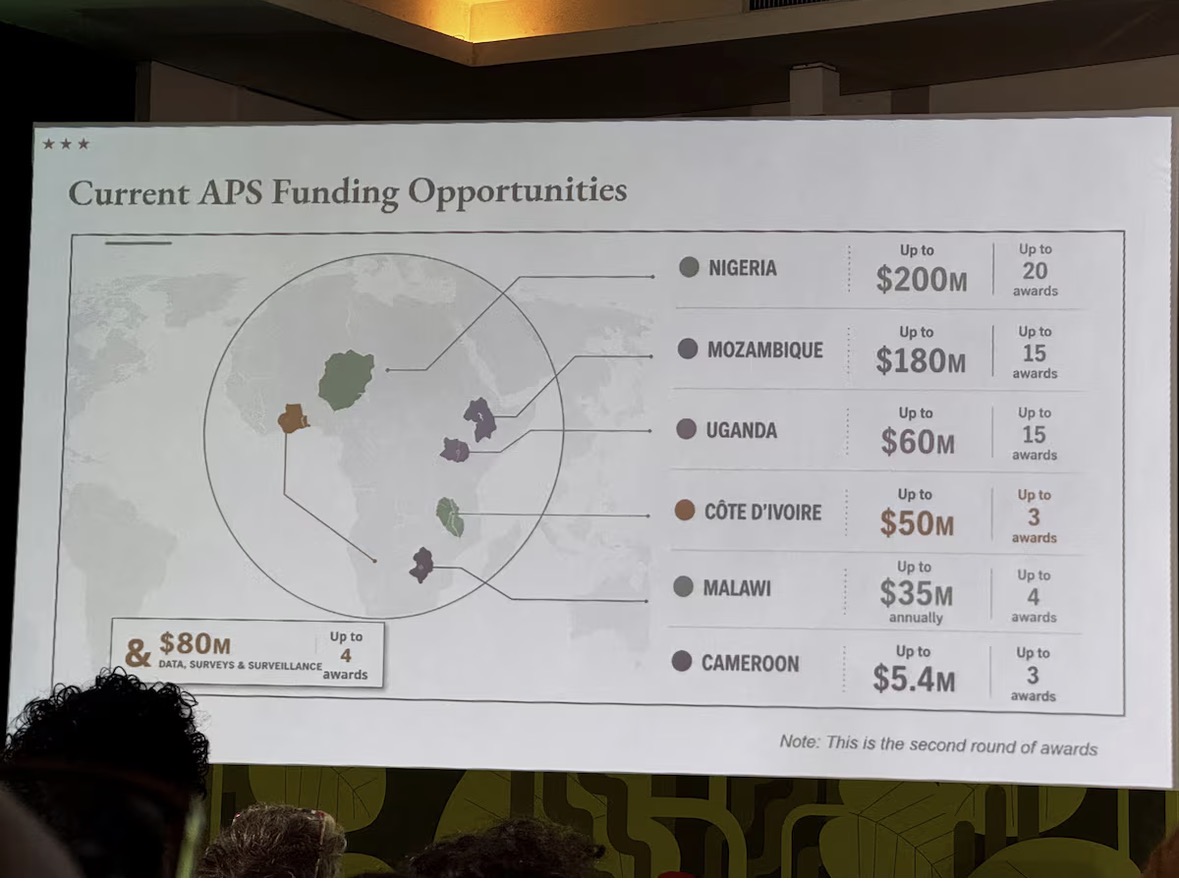
The controversial map, presented during a session highlighting US-supported HIV/AIDS programmes in Africa, contained multiple geographical errors. Nigeria was incorrectly depicted as a landlocked country in the Sahara Desert instead of its actual location in West Africa, while several other African nations were also misplaced or incorrectly labelled.
The incident quickly attracted attention on social media and among conference participants, many of whom questioned how such significant geographical inaccuracies appeared in an official presentation at an international health conference.
In response, the US State Department accepted responsibility for the mistake, describing it as an “unfortunate error.” Officials explained that the inaccurate slide resulted from last-minute edits made to the presentation by a member of the department’s team before the conference.
The department apologised for the incident and stressed that the error did not reflect US policy or its longstanding partnerships with African countries in the fight against HIV/AIDS. It also maintained that the conference discussions remained focused on advancing global efforts to combat the disease.
The presentation was intended to showcase countries benefiting from US global health initiatives under the President’s Emergency Plan for AIDS Relief (PEPFAR), one of the world’s largest HIV/AIDS assistance programmes. However, the inaccurate map overshadowed the session and sparked fresh debate over quality control in official government communications.
Observers also noted that the map appeared to contain markings suggesting the use of artificial intelligence tools during its preparation, prompting wider discussions about the need for human verification of AI-generated content before its use in official presentations.
Despite the controversy, the State Department reaffirmed its commitment to supporting HIV/AIDS prevention, treatment, and care programmes across Africa through its ongoing partnerships with governments and health organisations.
The incident has since generated global attention, with many calling for greater diligence in preparing official materials used at high-profile international events.
Stay informed and ahead of the curve! Follow The National Concord Blog Newsletter for real-time updates, breaking news, and exclusive content. Don't miss a headline – join now below!